


Living in East Grand Rapids, MI, means embracing all four seasons—glorious summers, colorful autumns, snowy winters, and rainy springs. While this changing climate offers beautiful scenery and a vibrant lifestyle, it also puts unique stress on your home’s roof. Many residents enjoy outdoor activities on Reeds Lake or long walks through picturesque neighborhoods, but few regularly scan their roofs for early signs of damage. Catching roof issues early, however, can be the critical difference between a minor repair and a costly replacement.
If you’ve ever wondered, "How do I know if my roof is damaged?" or "What should I look for before calling a roofing contractor?"—this guide is for you.
Why Early Detection Matters in East Grand Rapids
Early roof damage in East Grand Rapids doesn’t just happen with age. The region’s heavy snowfall, lake-effect moisture, and rapid freeze-thaw cycles can cause subtle but serious issues—even on relatively new roofs. Early detection helps to:
- Prevent more extensive interior and exterior damage
- Save money on emergency repairs
- Protect the curb appeal and value of your home
1. Inspect for Missing, Cracked, or Curling Shingles
Lake breezes and Michigan’s storms can easily send shingles flying or cause them to warp over time. Even occasional strong winds common in the area can loosen shingles.
- Look for bare patches where shingles have blown off or slipped out of place.
- Check for curling at the edges—a telltale sign of old or weather-damaged materials.
- Spot cracked or brittle shingles, especially after harsh winter weather.
Pro Tip: It’s safest to inspect your roof from the ground using binoculars or from a second-story window, especially in winter months when roofs are slippery.
2. Check for Granules in Your Gutters
Asphalt shingles gradually shed their protective granules, especially after East Grand Rapids’ intense storms or hail showers.
- Peer into your gutters and downspouts; if you see a buildup of black, sand-like material, it could mean your shingles are nearing the end of their lifespan.
- Granule loss accelerates aging—don’t ignore this early warning.
3. Spotting Moss, Algae, and Mold Growth
Homes near Reeds Lake or shaded by large, mature trees may be more susceptible to moss or algae growth due to higher humidity and shade.
- Green patches, dark streaks, or fuzzy growth indicate moisture retention.
- Moss can trap water against the roof, leading to rot and structural issues.
Regular roof cleaning and trimming back branches can prevent these problems.
4. Look for Water Stains on Ceilings and Walls
Water stains or discolored patches on upper floor ceilings or the tops of walls inside your East Grand Rapids home often indicate a roof leak. These can be especially prevalent after spring rains or heavy snow melts.
- Yellow, brown, or gray staining is a major red flag.
- Bubbling paint or peeling wallpaper further suggests water intrusion.
Don’t wait to address this—water damage can quickly lead to mold or compromised insulation.
5. Examine Your Attic for Signs of Moisture
Your attic is the first line of defense against roof leaks. Regularly inspect it, especially after snowstorms or heavy rainfall typical in the area.
- Look for damp insulation, water droplets, or sunlight streaming through holes in the sheathing.
- A musty odor can also indicate hidden leaks.
Proper ventilation is critical in Michigan climates to prevent long-term moisture buildup.
6. Check Flashing and Roof Valleys
Flashing—thin strips of metal at roof intersections or around chimneys and vents—prevents water leaks. In Grand Rapids’ freeze-thaw cycles, flashing can become loose or compromised.
- Inspect for rusted, missing, or dislodged flashing.
- Roof valleys (where two slopes meet) often collect more water—watch for debris buildup or visible gaps.
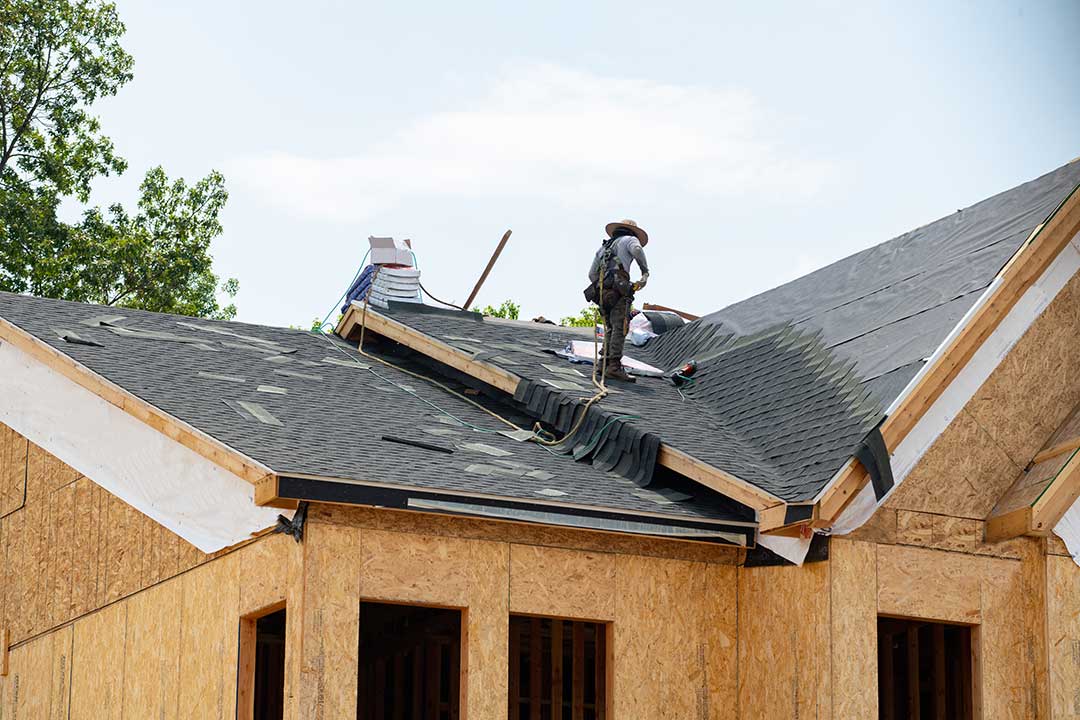
These areas are common sources of stealthy leaks most homeowners overlook.
7. Look for Sagging Rooflines
Stand at the curb and visually scan your roofline. In a neighborhood with so many historic homes, structural sagging can signify underlying rot or long-term water damage.
- A straight roofline is healthy; dips or curves suggest structural problems.
- Excessive snow loads can sometimes cause temporary sagging, but persistent deformations need immediate attention.
8. Listen for Dripping Sounds After Rainstorms
During quiet Michigan evenings, listen for dripping or tapping sounds in the house after rainfall. These subtle sounds could point to a leak that isn’t yet visible indoors.
- Track the sound to its source and check that area for moisture or wet spots.
- Even a small leak can worsen quickly in the changing Michigan climate.
Lifestyle Factors: Why East Grand Rapids Homes Are Unique
The character of East Grand Rapids homes, with their mix of older houses and newer builds near the lakeshore, means roofing issues vary by neighborhood. Vintage roofs may be more prone to weather-wear, while newer construction can suffer from installation-related oversights.
- Properties shaded by large oaks and maples face more risk from falling branches or moss.
- Lake-effect weather means extra vigilance is needed after every season change.
When to Call a Professional
If you notice any of the above signs, it’s smart to contact a local roofing professional for a thorough inspection. Don’t attempt major repairs yourself—East Grand Rapids’ roofs are often steep and can be dangerous without the right safety equipment.
Addressing potential problems early preserves your home’s comfort, safety, and value so you can continue enjoying everything this dynamic community offers, from boating on Reeds Lake to summer block parties.
Final Thoughts
Spotting early signs of roof damage can save you from costly repairs and protect one of your greatest investments—your home. By staying vigilant, especially during East Grand Rapids' changing seasons, you can safeguard your roof and your family’s comfort for years to come.
If in doubt, trust your observations and reach out to a qualified roofing expert. Your peace of mind—and your home—are worth it.