

Living in East Grand Rapids, MI, means embracing all four seasons with vigor—from snowy winters to vibrant springs, hot humid summers, and crisp autumns. While this variety makes the area uniquely beautiful, it also brings unique challenges for homeowners—especially when it comes to maintaining a watertight roof. If you’ve ever found a mysterious stain on your ceiling or heard the telltale drip during a storm, you know that roof leaks are more than an inconvenience; they can threaten your home’s safety and comfort. Understanding the most common causes of roof leaks is the first step to prevention and peace of mind for you and your family.
Understanding Roof Leaks: Why They Happen
Roof leaks are the result of moisture finding its way through vulnerabilities in the surface of your roof. Over time—and with frequent exposure to Michigan’s changeable weather—the odds of developing a leak increase. Here are the leading culprits East Grand Rapids homeowners should watch for:
1. Damaged or Missing Shingles
- Asphalt shingles are designed to protect your home’s interior from the elements. However, strong winds (common in spring and fall), ice dams in winter, and falling branches from mature maples can loosen, curl, or strip away shingles.
- When shingles are compromised, water can slip underneath, especially during heavy rainstorms that are common in West Michigan.
- Shingles may also suffer granule loss due to hail or age, reducing their effectiveness and increasing the risk of leaks.
2. Aging or Faulty Flashing
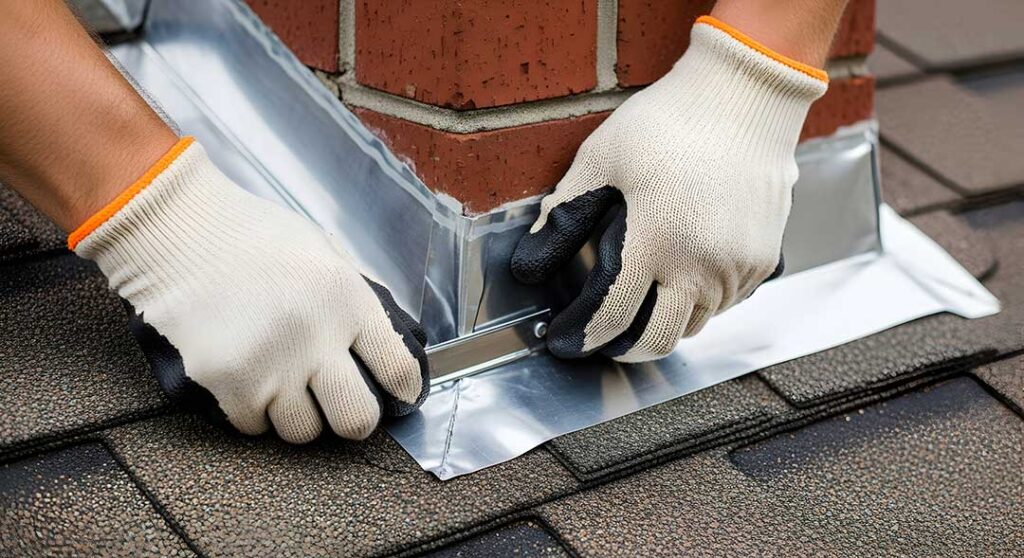
- Flashing is the metal material installed around chimneys, skylights, roof valleys, and vent pipes to divert water away from seams.
- In East Grand Rapids’ variable climate, flashing can rust, bend, or separate due to repeated freezing and thawing cycles.
- Poor installation of flashing is also a frequent issue in older or remodeled homes in established neighborhoods.
3. Ice Dams from Harsh Winters
- One of the most distinctive local issues comes in winter, when heavy snowfall and fluctuating temperatures cause ice dams.
- Ice dams form when heat from the house melts the snow on the roof, which then refreezes at the eaves, preventing drainage and pushing water under shingles.
- If your home has inadequate insulation or ventilation—a common challenge in some historic East Grand Rapids homes—your risk is higher.
4. Clogged or Damaged Gutters
- East Grand Rapids is adorned with mature trees, but in autumn, falling leaves fill gutters and downspouts quickly.
- Blocked gutters prevent water from flowing safely off your roof and away from your foundation.
- Water backs up onto the roof, soaking under shingles and leading to leaks.
5. Poor Ventilation in Attics
- Prolonged humidity or improper circulation in the attic leads to condensation under the roof deck.
- Over time, this moisture can rot wood, rust nails, and degrade underlayment, which all contribute to leaks.
- Many homes in this area have undergone attic renovations or additions and may not have up-to-date ventilation.
6. Cracked or Damaged Roof Vents
- Roof vents are essential for airflow, but if cracked (from age or hail) or poorly sealed, they create an easy access point for rainwater or melting snow.
- Some plastic or aluminum vent housings degrade over time, especially when exposed to repeated sun and storm cycles.
7. Skylight and Chimney Issues
- Skylights add natural light, and fireplaces create that cozy Michigan winter ambiance. However, both can turn into trouble spots.
- Improper installation, aged seals, or shifted flashing can result in water seeping around skylights or down the chimney flue.
- With older homes being common in East Grand Rapids, weathering around these features often goes unnoticed until a leak appears.
8. Valley Leaks
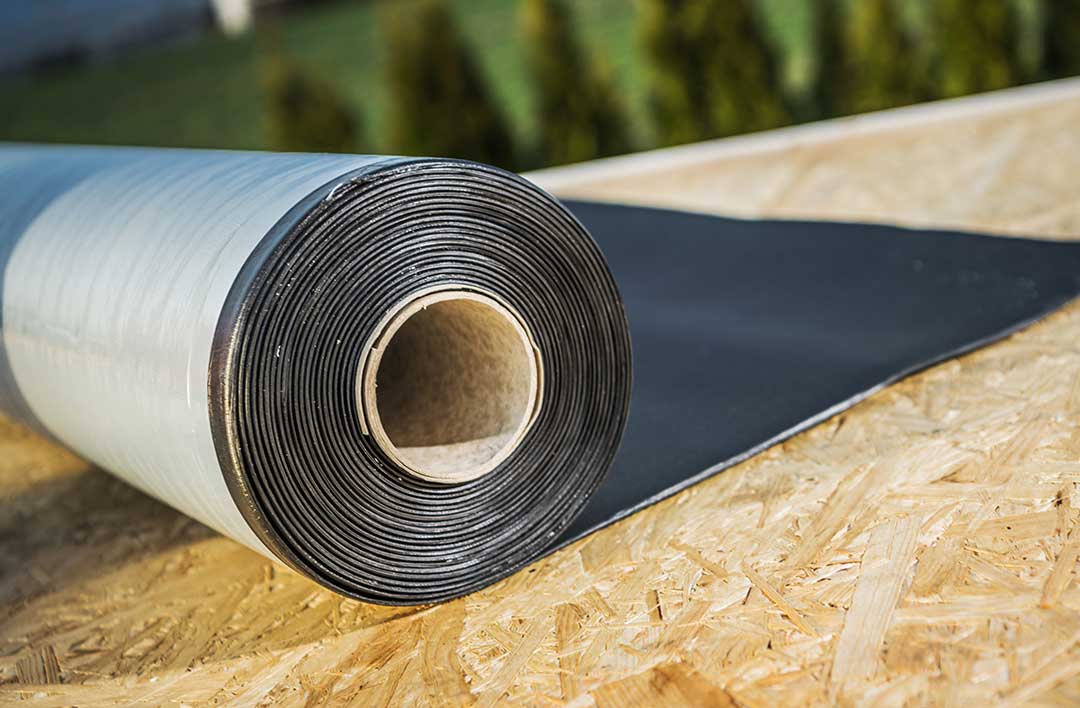
- The “valley” where two roof slopes meet is a vulnerable area, directing a lot of rainwater even during brief storms.
- If valley flashing is improperly installed or if shingles in these areas are weak, water quickly finds its way inside.
- Heavy snow accumulation in these valleys can also add stress, increasing the risk of leaks.
9. Neglected Roof Maintenance
- Routine roof inspections are crucial in climates like ours, but many homeowners simply forget until it’s too late.
- Lichen, moss, or debris buildup can trap moisture and deteriorate roofing materials.
- Small issues often go unchecked in the spring and summer months when most people are enjoying Reeds Lake or bike rides rather than checking roof status.
How to Prevent Roof Leaks in East Grand Rapids
- Inspect your roof at least twice a year, especially after severe weather events.
- Clean your gutters before and after the fall leaf drop and after major storms.
- Address any missing shingles or worn flashing as soon as possible.
- Invest in proper attic insulation and ventilation—especially in older homes.
- Hire a professional to assess vulnerable features like skylights and chimneys.
- Schedule a professional roofing inspection annually for peace of mind.
Conclusion: Proactive Care Is Key
Roof leaks are a persistent threat to comfortable, safe living in East Grand Rapids, but most causes are preventable with routine care and awareness. By understanding the most common culprits and the influence of the local climate, homeowners can take steps to avoid costly water damage. If you notice any signs of a leak or it’s been a while since your last inspection, don’t wait—protect your home so you can keep enjoying all the charm our beautiful city offers.