

 See My Latest Article on HelloNation

Why Should East Grand Rapids Residents Prepare Their Roofs for Hurricane Season?
Although East Grand Rapids, MI is not in a traditional hurricane hotspot, residents may experience the impacts of distant tropical storms or intense summer weather. Strong winds and driving rain from remnants of hurricanes or severe thunderstorm systems can cause local roof damage, leaks, and even shingle loss. Preparing a roof for hurricane season helps area households prevent weather-related repairs and maintain a safe, dry home environment.
What Roof Problems Does Severe Weather Cause in This Area?
Severe storms in this region can lift shingles, damage flashing, clog or dislodge gutters, and drive rain under protective layers. Homes surrounded by mature trees may also face risks from falling branches or debris. Overlooked minor issues—like a loose shingle or a gap in sealant—usually become larger after a single heavy weather event.
- Wind-driven rain can exploit even tiny vulnerabilities, leading to sudden leaks.
- Gusts may peel off poorly attached shingles or ridge caps.
- Blocked or broken gutters often contribute to overflow, siding stains, or basement moisture.
How Can You Inspect Your Roof Safely Before Hurricane Season?
Begin with a visual inspection from the ground using binoculars if needed, and scan for missing, curling, or cracked shingles, as well as debris buildup. Walking on the roof is not recommended unless you are comfortable doing so and know how to avoid causing additional damage.
- Look for shingles that are discolored compared to the rest, which might signal poor adhesion.
- Check for granules in your downspouts or at the gutter base—excessive loss means shingles are aging or compromised.
- Examine flashing at chimneys, skylights, and roof joints for rust or lifting edges.
- Inspect the attic (if accessible) during daylight. Sunlight entering in spots could indicate a breach.
If any area appears unsafe or if the roofing materials look heavily weathered, it’s safest to avoid climbing up.
What Maintenance Tasks Most Often Get Overlooked?
Many East Grand Rapids homeowners remember to clear gutters and check visible shingles, but a few common tasks get missed:
- Looking for cracked or loose caulk around roof penetrations
- Clearing organic debris off roof valleys, where leaves and twigs collect and trap moisture
- Examining soffit and ridge vents for obstructions (which restrict necessary roof ventilation)
- Checking for moss or algae growth, especially on shaded parts of older roofs—these can retain moisture and accelerate wear
How Should Gutters and Downspouts Be Prepared?
Functional gutters and downspouts direct water away from the home’s foundation and prevent pooling on the roof. Before hurricane season:
- Remove all leaves, twigs, and sediment from gutters and leaders.
- Ensure fasteners are tight and brackets are secure—loose gutters can detach or overflow in heavy rain.
- Check that downspouts extend at least several feet away from the foundation, using splash blocks or extensions when necessary.
- Confirm that all joints are sealed and that water flows freely during a test rain or hose run.
During intense storms, water often finds the path of least resistance—clean, sloped gutters help prevent backflow into the home.
When Is It Necessary to Trim Overhanging Trees?
Overhanging branches pose one of the most overlooked threats to roofs during windy weather. To reduce the risk:
- Trim back all tree limbs that are within several feet of the house, especially those directly above the roofline.
- Regularly inspect trees for dead or weakened limbs, as these can break free during a storm.
- Monitor young or unstable trees near the property that could become unstable in saturated soil conditions.
Debris from healthy trees can also clog roof valleys and gutters, so consistent preventive trimming is wise.
Do Roofing Materials Matter for Storm Resistance?
Roofs in this community are commonly built with asphalt shingles, but not all roofing is equally resilient. While modern shingles rated for high winds provide more protection, older roofs or those with improper installation are most vulnerable.
- Check manufacturer’s specs (often found on leftover packaging or paperwork) if a roof was recently installed.
- Areas with visible nail pops, raised tabs, or shifted rows should be addressed before storms arrive.
- Extra attention should be paid to seams, valleys, and transitions—these “weak spots” tend to fail first in heavy wind and rain.
What Should You Do If You Find Signs of Damage or Wear?
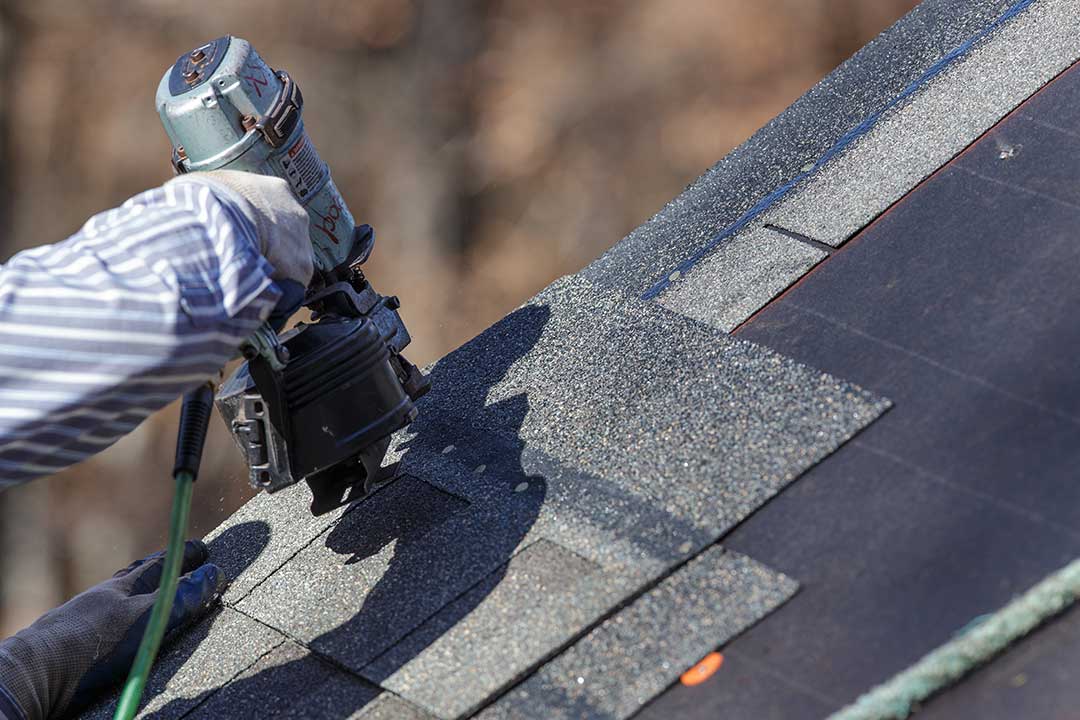
If leaks, soft spots, or missing shingles are discovered, residents can patch small areas with roofing cement or sealant as a temporary measure. Secure loose shingles with galvanized roofing nails if reachable and safe. For more significant or hard-to-access repairs, safety should come first. Extensive or inaccessible issues are best left undisturbed until proper tools and experience are available, as walking on a compromised roof increases the risk of personal injury or further damage.
How Can Residents Monitor Their Roof During and After the Season?
After storms pass, residents are encouraged to do another visual assessment for shifted, missing, or broken materials. If water enters the home, document the damage and use buckets or tarps to limit interior problems until repair is possible. Observing ceilings and attic spaces for new stains or dampness provides early warning before minor leaks become major issues.
Are There Any Local Regulations or Practices to Be Aware Of?
East Grand Rapids has specific building standards for roofing work, especially concerning repairs larger than one square (about 100 square feet) or involving structural changes. Residents planning any major roof upgrade, such as replacing materials or altering supports, should check with the city’s building permits office for up-to-date guidelines. Smaller, preventive maintenance tasks rarely require permits, but staying informed on local practices helps ensure compliance and safety.