
 See My Latest Article on HelloNation
Can Tree Limbs Really Damage Your Roof?
Yes, overhanging branches and large nearby trees can have several negative effects on residential roofs. In communities like East Grand Rapids, where mature trees are part of the local charm and landscape, roof issues connected to tree coverage are common, especially after strong winds or heavy winter precipitation. Many residents underestimate how even healthy trees can slowly cause costly problems for a home’s roofing materials.
What Kinds of Roof Problems Can Tree Limbs Cause?
Tree limbs that extend over or touch roofing can contribute to:
- Abrasion of roofing shingles: Branches rubbing against shingles due to wind movement gradually wear away the protective granules or even lift shingles. This leaves the roof surface less able to shed water and vulnerable to leaks.
- Physical impact: Falling limbs, even small ones, can break or dislodge shingles, gutters, or vents, especially during seasonal storms or after significant snow accumulation in winter.
- Increased organic debris: Accumulation of fallen leaves, twigs, seed pods, and moss on roofs and in gutters holds moisture against roofing materials, accelerating deterioration. Blocked gutters are a frequent spring and fall challenge for local homeowners.
- Excess shade: Consistent shade, particularly on north-facing and overhung roofs, slows evaporation. This encourages moss, mold, or lichen growth, all of which can shorten roof lifespan and create slippery surfaces.
- Animal access: Overhanging limbs provide a bridge for squirrels, raccoons, and other small animals to reach the roof, where they may nest or enter attics through damaged areas.
How Do Seasonal Changes in East Grand Rapids Worsen the Risks?
Variable Midwest weather means that roof exposure changes throughout the year. In spring and summer, high winds and thunderstorms may bring down weakened or dead branches. During autumn, the large volume of fallen leaves can quickly overwhelm gutters, leading to water backup under shingles. Winter’s snow and ice add weight that may cause heavy limbs to break, sometimes landing on roofs; freezing and thawing cycles also mean that blocked gutters can create ice dams, further stressing roofing materials.
Aren’t Mature Trees Good for Energy Efficiency?
While mature trees around homes in East Grand Rapids do offer shading and some energy savings in summer, their proximity must be balanced with roof health. Properly maintained branches that don’t overhang or touch the roof still offer environmental benefits. However, unmanaged growth produces more problems than benefits. It’s a misconception that “the more shade, the better”—excessive shade, especially where debris collects, speeds up roof moss and algae growth, which often leads to premature roofing repairs.
How Far Should Tree Branches Be from a Roof?
Ideally, branches should be trimmed so there is at least 6 to 10 feet of clearance between the branch tip and the roof surface. This gap accounts for both branch growth during the season and movement caused by wind or snow load. In neighborhoods with older, larger trees, following this practice reduces direct abrasion and minimizes the risk of broken limbs coming down in storms. Local ordinances may also specify minimum branch clearance requirements for safety and utility access.
What About Trees Owned by Neighbors?
Disputes sometimes arise when a neighbor’s tree extends over a property line and threatens a nearby roof. Legally, property owners in the city typically have the right to trim encroaching branches back to the property line—without harming the health of the tree. Open communication with neighbors about tree maintenance is always the best first step, especially before undertaking major trimming projects or if a limb has fallen and caused damage to a shared boundary.
How Often Should Homeowners Check for Problems?
Residents in East Grand Rapids are wise to visually inspect their roofs, yards, and gutters at least twice a year: after autumn leaf drop and again after winter storms. Look for:
- Accumulation of branches, leaves, or seed pods on the roof or in gutters
- Signs of abrasion (bare spots, missing granules) or damage to shingles
- Overhanging limbs touching or hanging directly above the roof
- Moss or algae growth, especially in shaded areas
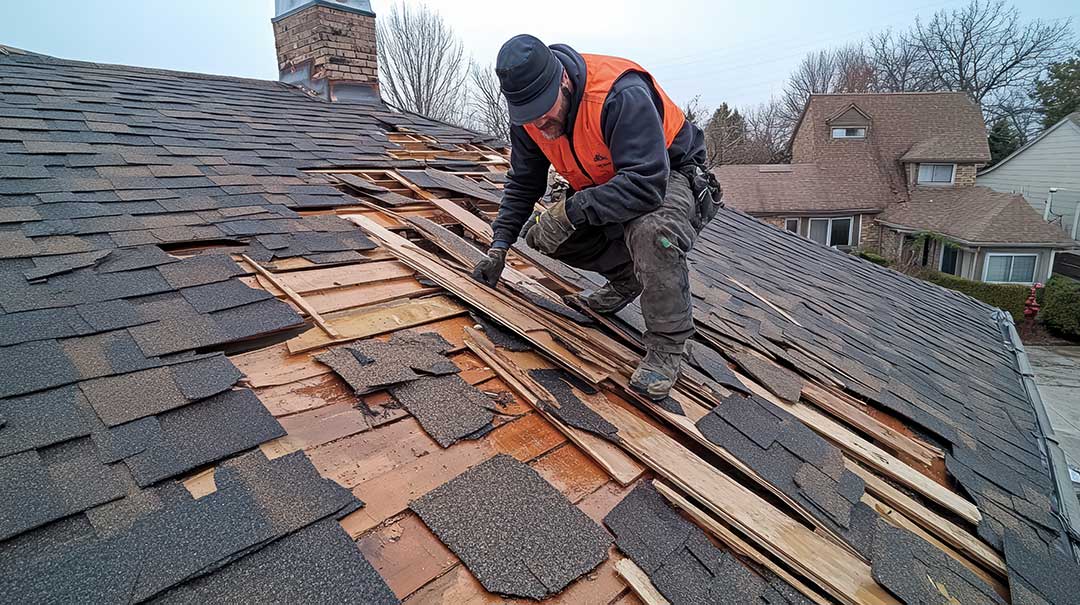
While minor debris can sometimes be cleared safely by homeowners with proper ladders and tools, roof work carries fall risks. Branches near utility lines or those requiring rooftop access often call for trained, insured arborists.
What Are Some Overlooked Risks of Tree Limbs Near Roofs?
A few factors residents sometimes miss:
- Hidden water leaks: Gradual damage from persistent branch rubbing won’t always show up as a dramatic leak. Early signs might be darkened attic wood, rusty nails, or faint ceilings stains.
- Unusual pest pathways: Limbs act as highways for wildlife—chipmunks, raccoons, and even ants or carpenter bees can gain easier access to eaves and soffits, leading to additional home repairs.
- Insurance implications: Roof damage caused by neglecting obvious hazards, like dead overhanging limbs, may affect coverage. Insurers often inspect homes and note risks that should be addressed.
What Tree Species Cause the Most Problems Locally?
In East Grand Rapids, mature maples, oaks, and elms are frequent contributors to roof debris and branch issues. Maple seeds (helicopters) can clog gutter systems in late spring. Oaks and elms tend to drop substantial limbs following storms or in winter under snow and ice loads. Trees with brittle wood, such as silver maples or willows in some neighborhoods, are especially prone to dropping branches.
What Steps Can Area Residents Take?
Regularly check for overgrown or damaged branches, especially before storm season. Prune branches that encroach too closely, dispose of roof debris promptly, and inspect gutters during seasonal cleanups. Early action preserves both beautiful trees and roof integrity, saving significant repairs down the line in this tree-filled community.