

 See My Latest Article on HelloNation

What Are the Signs of Roof Damage After a Storm?
The most common signs of storm damage on residential roofs in East Grand Rapids include missing or lifted shingles, leaks indoors, and visible debris. The city experiences a mix of wind, rain, sleet, and occasional hail during storm seasons, all of which can affect roofing materials differently. Changes in attic humidity or discolored ceilings can be overlooked early indicators.
Look for:
- Shingles that are cracked, curling, or missing
- Granules collecting at the base of downspouts or in gutters
- Exposed or dented flashing around chimneys and vents
- Water stains or drips on interior ceilings and walls
Pooled water or sagging in sections of the roof may show up after heavy rainfall or snowmelt, common during late winter and spring in the area.
How Can Residents Safely Inspect Their Own Roofs?
After storms, safety should always come first. Residents shouldn’t climb onto their roofs unless absolutely necessary and safe to do so. A basic inspection from the ground and inside the home can identify most early warning signs.
Start with:
- A walk around the home, looking for fallen branches, scattered shingles, or siding damage
- Using binoculars to check for missing shingles or obvious gaps along rooflines, especially at mounting points for satellite dishes or attic vents
- Checking the attic for damp insulation, moldy smells, or daylight seen through roof boards
A ladder may be used to get a better angle from the edge, but it’s best to avoid stepping onto steep or wet roofs due to slip hazards. In neighborhoods with tree cover, like much of East Grand Rapids, overhanging branches may add risks of punctures or abrasion.
Are Certain Types of Roof Damage More Likely in East Grand Rapids?
Prevailing winds, seasonal thunderstorms, and ice are the primary sources of damage in the city. For homes beneath mature trees, impact from falling branches is common, as is cumulative wear from branch rub. Asphalt shingles—the most common residential roofing material—are vulnerable to wind lift and granule loss, while older cedar shake roofs may split or warp after significant moisture.
Hail damage, though less frequent, may appear as clusters of subtle dark spots or dents on asphalt shingles. Edge and eave areas often show damage first, thanks to wind exposure. Gutters can clog with shingle granules or organic debris, causing water to back up under the roofing system.
How Do You Know If Damage Needs Immediate Attention?
Some signs mean a roof is at immediate risk for leaks or further structural problems. If any of these are found, further inspection or repairs should not wait:
- Active leaks or dripping water during or after rainfall
- Missing shingles exposing underlayment or bare roof deck
- Flashing that is visibly detached, bent, or missing
- Large branches resting on the roof or punctures visible from the attic
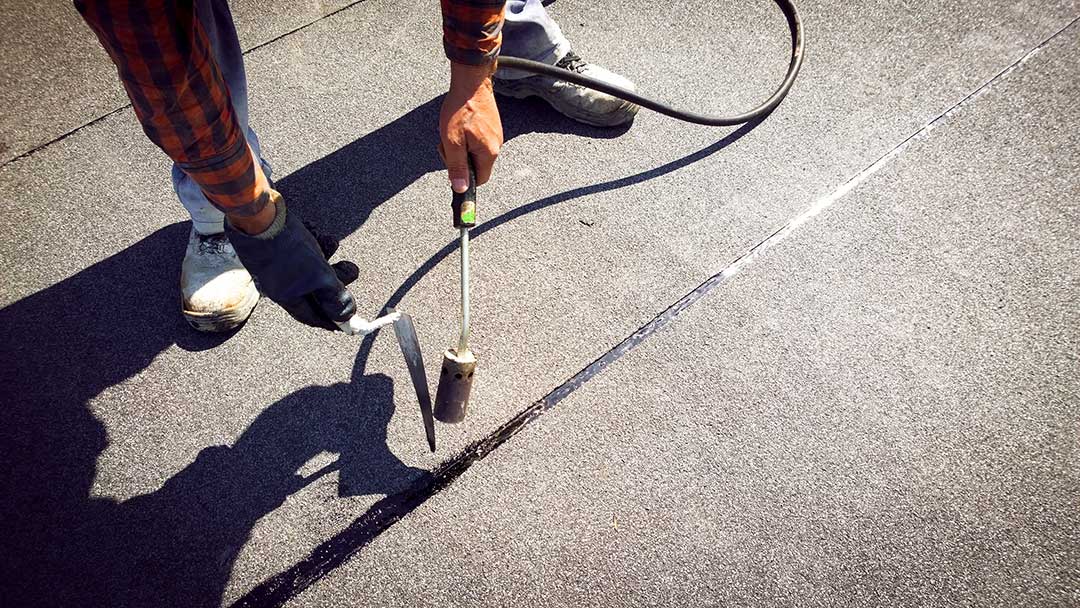
Small patches of minor shingle damage can be monitored, but larger bare spots or ongoing water entry should be addressed before the next rainfall or melting event.
Why Should Gutters and Downspouts Be Checked After Storms?
Gutters are a frontline defense against roof leaks and foundation issues in East Grand Rapids, especially with the region’s mix of freeze-thaw cycles and heavy spring runoff. Gutters stuffed with leaves, twigs, or shingle granules can cause water to pool at the roof’s edge or back up beneath shingles.
Inspect for:
- Sections of sagging or detached gutter
- Overflow during rainstorms, which can indicate internal blockages
- Downspouts that no longer channel water several feet away from the house
Regular removal of debris from gutters is especially important for homes on leafy streets.
Can Hidden Roof Damage Get Worse Over Time?
Not all damage is easy to spot right away. Small cracks, minor tears in flashing, or repeated exposure to wind and dampness can worsen as time passes. In some cases, initial exterior damage doesn’t cause immediate leaks, but allows water to soak into wood decking, attic insulation, or even load-bearing walls. This process may take weeks or months to become visible through interior stains or warped ceilings.
Yearly roof checks can catch subtle deterioration before it leads to major repairs, especially following a severe storm season.
What Are Common Misconceptions About Roof Damage After Storms?
A common misconception is that no visible leaks or missing shingles equals no damage. In reality, wind can slightly lift shingles or displace nails, creating invisible entry points for water. Hail damage to shingles may not be immediately obvious but can shorten shingle lifespan through rapid granular loss.
Another misconception: newer roofs are always safe. Even recent installations can lose shingles or develop flashing issues from flying debris. Regular checks (even with a newer roof) protect against early-age failures.
When Is It Unsafe to Inspect or Delay Assessment?
If a storm has caused widespread tree damage, dangerous debris, or structural instability to the roof itself, entering attics or climbing ladders should be avoided until the area is confirmed safe. In such cases, waiting too long to check for water entry can allow even minor leaks to cause widespread damage inside walls and ceilings, which is far more costly and complicated to repair. Timely, safe assessment prevents worsening problems as unpredictable spring weather continues.