
 See My Latest Article on HelloNation
What Is Roof Pitch?
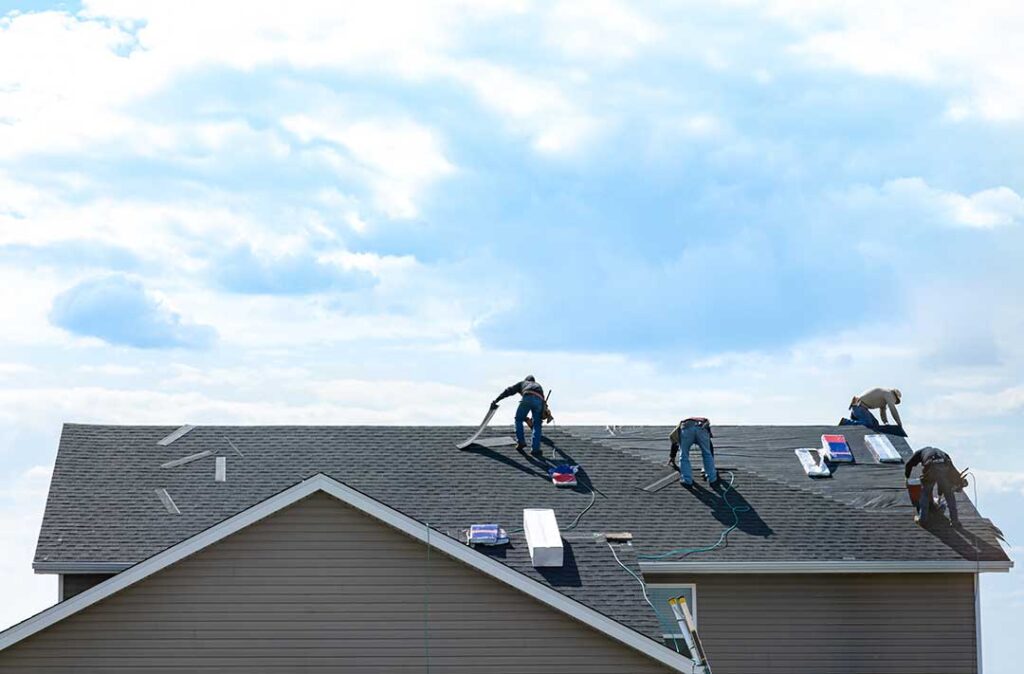
Roof pitch describes how steep a roof is, usually measured as the ratio of vertical rise to horizontal run (for example, “4:12” means the roof rises 4 inches for every 12 inches horizontally). This simple number has a big influence on roof style, function, and the types of materials that work best for homes in East Grand Rapids, MI.
Why Does Roof Pitch Matter in East Grand Rapids, MI?
The roof’s angle directly affects how well it sheds rain, resists snow, and fits the local architectural landscape. In East Grand Rapids, the climate includes significant winter snowfall, frequent rain, and the occasional thaw/freeze cycle, all of which interact with roof pitch in specific ways.
- Steeper roofs let snow and ice slide off more easily, reducing weight that can build up after storms.
- Flatter or low-sloped roofs tend to hold snow and water longer, which can increase the risk of leaks, ice dams, and long-term damage if not properly maintained.
- Roof pitch can also determine what kind of roofing material is suitable, since some, like asphalt shingles, require a minimum slope to effectively repel water.
How Is Roof Pitch Measured?
A roof’s pitch is typically described by two numbers, such as 6:12 or 8:12. The first number represents how many inches the roof rises for every 12 inches of horizontal run.
Example:
- A 6:12 pitch means the roof rises 6 inches for every 12 inches it extends horizontally.
Common measuring tools include a level and a tape measure, or a digital angle finder. Precise measurement is especially useful for repairs or reroofing, since city building codes or homeowner association guidelines may specify minimum or maximum slopes for different designs.
What Pitches Are Typical for Homes in the Area?
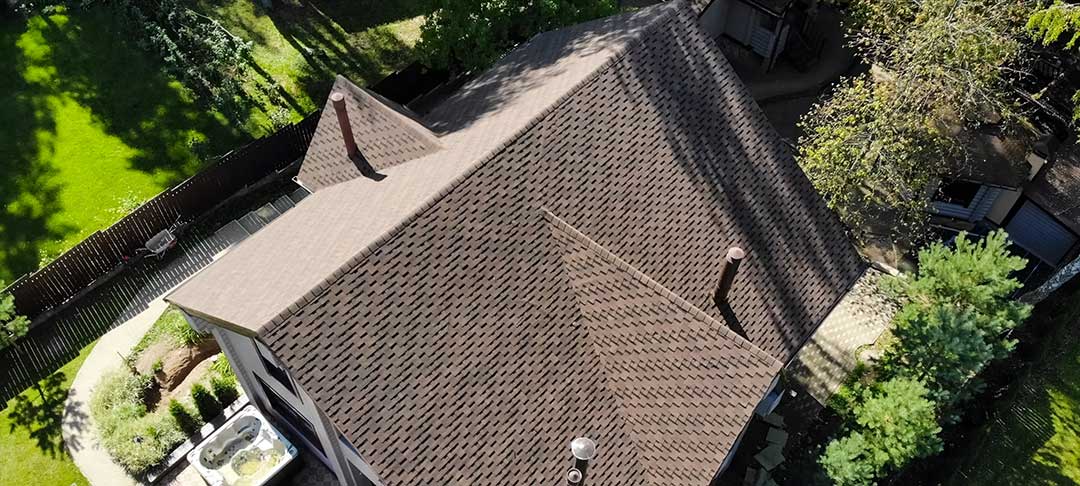
Most houses in East Grand Rapids have medium to steep pitches, often ranging between 4:12 to 9:12. These pitches suit the traditional residential architecture and help manage the region’s snow and rain.
- Roofs less steep than 4:12 are considered low-slope and are less common on local single-family homes.
- Steeper roofs, such as those with 12:12 pitch, are often seen on older properties or custom homes but are less common due to build complexity and increased material needs.
Why Does a Low or High Pitch Create Unique Challenges?
Every pitch comes with distinct pros and cons for homeowners.
Low-pitch roofs (below 4:12):
- Drain water and snow more slowly, increasing risk of leaks, ponding, and ice dams in winter.
- Installers must use special materials designed for watertightness over slower-draining surfaces.
Steeper roofs (above 9:12):
- Shed moisture and debris quickly, making leaks less likely.
- Are more challenging and expensive to build or repair because of safety concerns and extra material requirements.
- May need additional structural support, especially during severe winter storms.
How Does Roof Pitch Affect Roofing Material Choices?
Some materials only work on specific pitches. In the community, the following patterns are typical:
- Asphalt shingles: Work best on pitches above 4:12. They’re common because they shed water and are cost-effective.
- Metal roofing: Suitable for a broad range of slopes, but especially effective on steeper roofs for fast snow-shedding.
- Flat or low-slope roofs: Require materials like rubber membrane (EPDM) or modified bitumen, which seal tightly even when water drains slowly.
- Wood shakes and slate tiles: Generally reserved for steeper roofs to encourage proper drainage and avoid early deterioration.
Homeowners replacing a roof in East Grand Rapids benefit from choosing a material matched to the slope and the expected weather.
Does Roof Pitch Impact Energy Efficiency and Attic Space?
The angle of a roof influences how much attic space is available for insulation, storage, or mechanical systems and how sunlight strikes the home.
- A higher pitch creates more usable attic space, which helps with ventilation and additional insulation opportunities.
- Steep roofs may facilitate the installation of dormers or upper-level living areas, which are common in many area homes.
- Lower-pitch roofs may limit attic height and can make ventilation trickier, especially in compact home designs.
Choosing the right roof pitch can play a supporting role in controlling heating costs during long Michigan winters by allowing for adequate insulation and minimizing ice dam formation.
What Are Common Misconceptions About Roof Pitch?
Some homeowners believe any roofing material is suitable for any roof, but local weather severity makes pitch especially important. Another misconception is that steeper roofs are always better—while they shed snow well, they can be costlier to maintain or repair, and may not suit every home’s design or the owner’s budget.
When Is Roof Pitch a Safety or Code Issue?
For repairs or rebuilds, especially after severe storms, roof pitch can become a compliance issue. Local building codes often specify minimum slopes for different roofing methods to prevent leaks and structural problems. In winter, failure to consider pitch can also create hazardous conditions on driveways or walkways when large snow loads suddenly slide off very steep roofs.
In most situations, assessing or changing roof pitch is a significant project, and safety should be a top priority, especially for high or slippery surfaces.