

 See My Latest Article on HelloNation
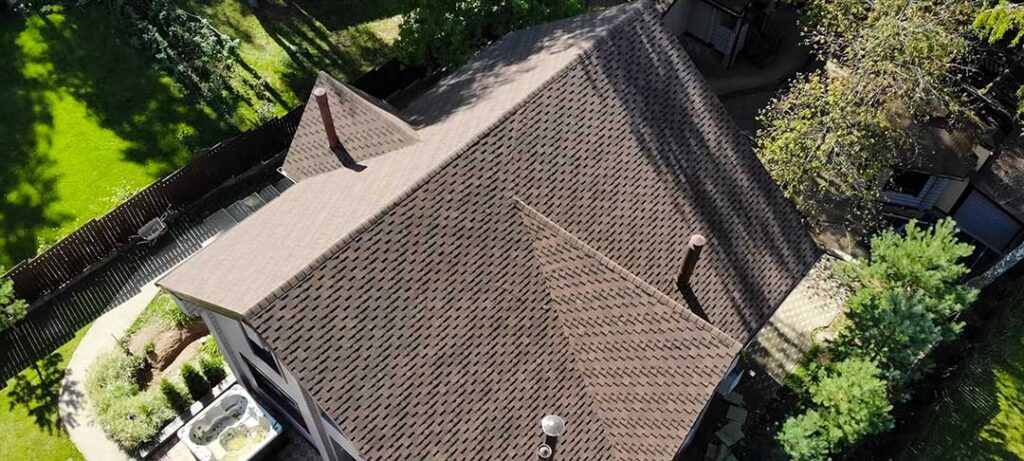
Choosing a roof color involves more than matching shingles to siding. The right choice should work with the home’s architecture, exterior materials, sunlight, surrounding trees, and the seasonal conditions common in East Grand Rapids. A roof is a large visual element, so color can affect how large, modern, traditional, warm, or subdued a house appears.
What should be considered before choosing a roof color?
Start with the parts of the exterior that are difficult or expensive to change. Roof color should coordinate with brick, stone, siding, trim, gutters, doors, and permanent landscaping.
Review these features before looking at samples:
- Brick or masonry that will remain in place
- Siding color and texture
- Trim, fascia, soffits, and gutters
- Window frames and exterior doors
- Driveway, walkways, and retaining walls
- Nearby trees and the amount of shade around the house
- The architectural period and shape of the home
A roof does not need to match every exterior feature exactly. It usually looks more natural when it shares an undertone with another material. For example, a roof with brown or muted bronze tones may relate well to warm brick, while charcoal or weathered gray may better suit cool siding and clean white trim.
Which roof colors work well with common exterior styles?
The best color depends partly on the visual character of the house. Traditional homes often benefit from blended, low-contrast colors, while simpler contemporary designs can support a sharper contrast.
Common combinations include:
- White or light siding: Charcoal, slate gray, medium brown, and muted black can all work, depending on whether the exterior feels cool or warm.
- Gray siding: Weathered gray, charcoal, black, and certain brown-gray blends may coordinate well.
- Blue siding: Deep gray, charcoal, and weathered wood tones often provide balance without competing with the siding.
- Beige or tan siding: Brown, rustic red-brown, and warm gray can reinforce the home’s warmer palette.
- Brick exteriors: A roof color that picks up one of the darker or less dominant brick tones usually looks more integrated than a completely unrelated color.
- Natural stone: Earth-toned brown, gray, and blended roofs can connect the roof visually to the variation in the stone.
A roof with several blended tones can soften a large, uninterrupted roof plane. A solid dark color may create a cleaner appearance but can make roof edges and architectural lines more noticeable.
Does a dark roof make a house hotter?
A dark roof can absorb more solar heat than a light roof, but roof color is only one part of the temperature equation. Attic ventilation, insulation, roof pitch, roof orientation, roofing material, and the amount of shade often have a greater practical effect on indoor comfort.
In a northern climate with cold winters and warm summers, a dark roof is not automatically a poor choice. However, homeowners who are especially concerned about summer heat may prefer a lighter or more reflective roofing option, provided it works with the rest of the exterior.
The roof color should also be evaluated with the attic system. Good insulation and properly designed ventilation help limit heat transfer regardless of whether the shingles are light, medium, or dark.
How does climate affect roof color?
Seasonal conditions influence how a roof looks and how much maintenance it may appear to need. In East Grand Rapids, roofs are viewed against bright summer foliage, cloudy skies, fall leaves, and winter snow. A color that looks balanced in July may appear different against a gray winter sky or a layer of snow.
Consider how the roof will look in several conditions:
- Bright sunlight: Dark colors may appear more intense, while light colors can look washed out.
- Overcast weather: Gray and brown blends may appear darker and more subdued.
- Snow: Very dark roofs create strong contrast, while medium blends create a softer transition.
- Autumn leaves: Brown, bronze, and certain gray blends may coordinate with seasonal foliage.
- Tree shade: A color viewed beneath mature trees may look cooler and darker than it does in direct sunlight.
Homes surrounded by trees may also show organic debris more readily on lighter roofs. That does not mean a dark roof stays clean, but color can affect how noticeable scattered leaves, branches, and surface discoloration appear.
Should the roof match the house or contrast with it?
A roof can either blend with the exterior or create contrast. Neither approach is universally correct.
A blended roof uses colors that are close in value or undertone to the siding, brick, or stone. This can make the home appear more unified and may be especially suitable for traditional architecture or houses with complex exterior details.
A contrasting roof is noticeably lighter or darker than the walls. This can emphasize the roofline and make architectural features more prominent. For example, a dark roof over light siding creates a clear visual frame, while a light roof over darker walls can make the overall exterior feel less heavy.
Look at the home from the street rather than only from close range. Roof color is usually seen as part of the entire structure, and the right contrast depends on roof size, pitch, dormers, gables, and the amount of siding visible.
How should roof samples be evaluated?
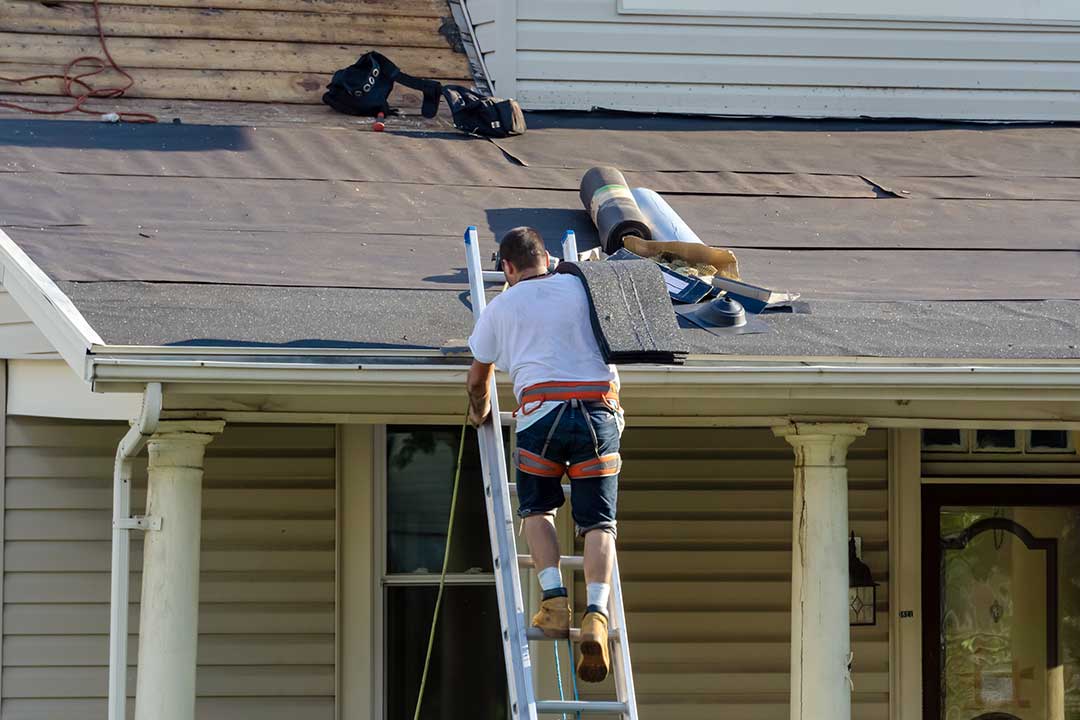
Small printed samples are useful for narrowing choices but are not reliable for making the final decision. A roof covers a large area, and blended shingles can look different when repeated across an entire slope.
For a more realistic evaluation:
- View large samples in direct sun and shade.
- Check them in the morning and afternoon.
- Compare them beside the actual siding, brick, and trim.
- Look at the samples from the street.
- Review them against existing gutters and exterior doors.
- Observe how the color changes under cloudy conditions.
- Ask whether the sample still looks appropriate with fall leaves and winter snow.
Digital visualizers can help explain general contrast, but screen settings and photography can alter color. Physical samples viewed at the property are more dependable.
What roof color hides dirt, algae, and uneven aging?
Medium-toned and blended roofs generally do a better job of disguising small variations than very light or very dark roofs. Dust, pollen, leaf fragments, and minor color changes may be more visible on uniform surfaces.
Roof color does not prevent algae or moss growth. Moisture, shade, debris accumulation, roof orientation, and surface conditions are more influential. In areas with mature trees or limited sunlight, regular observation and safe debris management matter more than selecting a particular color.
Avoid choosing a roof solely because it appears likely to hide maintenance issues. A color that disguises discoloration may also make damage, missing granules, or surface wear harder to notice during a quick visual check.
Are there neighborhood or property rules to check?
Most homeowners should review any applicable neighborhood, association, historic, or property-specific requirements before making a final selection. Rules may address approved materials, visible exterior changes, or color compatibility.
Local building requirements can also affect roofing materials, installation details, ventilation, and other technical matters, although they may not dictate a specific color. Checking requirements early can prevent a color choice from being made before confirming that the selected roofing system is allowed.
What is the safest long-term choice?
A roof color with a moderate contrast and a balanced undertone is often easier to live with over time. Highly trendy colors can become visually dated, while extremely distinctive choices may limit future exterior changes.
A practical long-term choice should:
- Coordinate with permanent materials
- Suit the home’s architecture
- Look acceptable in sun, shade, snow, and cloudy weather
- Work with existing trim and gutters
- Remain compatible if siding or doors are repainted later
- Fit any applicable neighborhood or property requirements
The most reliable process is to evaluate several large physical samples at the house, view them from the street, and consider how the color will look across all four seasons rather than choosing from a small catalog swatch alone.