

 See My Latest Article on HelloNation
What Is a Roof Warranty and Why Does It Matter for East Grand Rapids Residents?
A roof warranty is a written promise that covers certain problems with roofing materials or workmanship for a set period. For homes in East Grand Rapids, understanding warranty coverage can help prevent disputes, protect your investment, and simplify long-term roof maintenance, especially with seasonal weather shifts.
Warranties help area households by offering peace of mind that defects, premature failure, or installation errors might be addressed at little or no cost—if you know what’s included and how to maintain eligibility.
What Are the Main Types of Roof Warranties?
Roof warranties typically fall into two distinct types: manufacturer and workmanship.
- Manufacturer (Material) Warranty: Covers defects or premature deterioration in the roofing shingles or tiles themselves. For example, if shingles curl or crack due to a production issue—not local weather or installation—it may be covered.
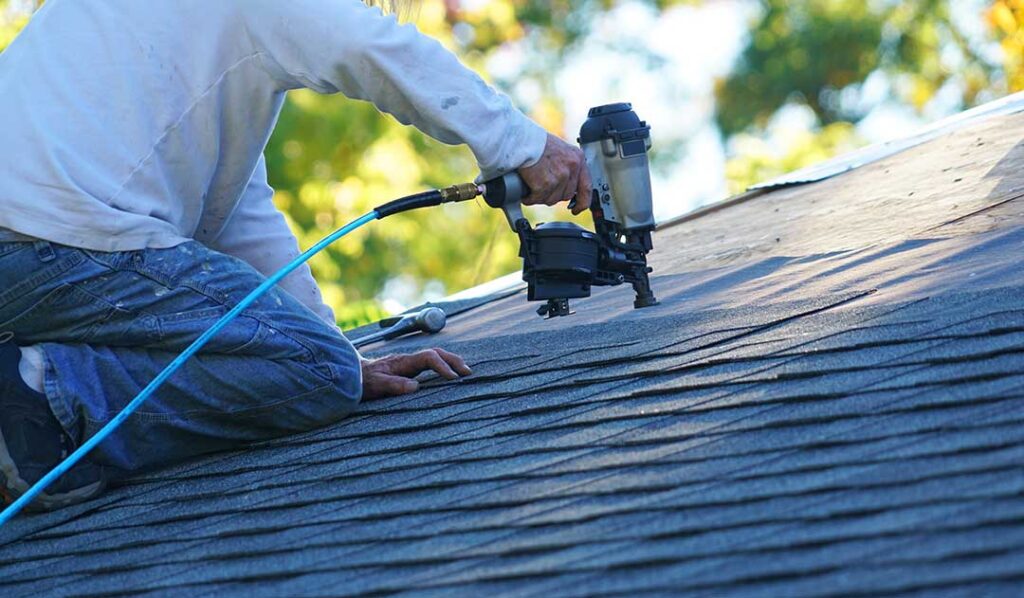
- Workmanship Warranty: Issued by the installer, this covers errors during installation. If a leak appears because flashing was poorly installed, this is usually a workmanship issue.
Homes in older, tree-lined neighborhoods may have unique warranty needs due to heavy shade or debris, so reviewing both types is especially valuable locally.
What’s Usually Included—and Excluded?
Most basic manufacturer warranties protect against product defects for 20-50 years, but only issues directly caused by faulty materials. Common exclusions include:
- Damage from wind or hail above rated limits
- Problems caused by poor attic ventilation (not uncommon in established homes)
- Leaks from debris or animal damage
Workmanship warranties vary more widely—some last just a year or two, while others extend up to a decade. They almost never cover damage from storms, trees, or lack of routine maintenance.
Are “Lifetime” Warranties Really Good Forever?
A “lifetime” warranty sounds reassuring, but the actual terms often define “lifetime” as the period you own the home, sometimes with declining coverage after the first few years. Some might prorate benefits—paying decreasing amounts over time—so after 10-20 years, only partial costs are covered.
Occasionally, these warranties become nontransferable if the house is sold, a real consideration for East Grand Rapids residents who might move over time. Always review the fine print or ask for a copy of the policy.
What Voids a Roof Warranty in This Area?
Several local conditions can invalidate coverage, including:
- Installing new roofing over old layers (common in some homes with historic or original roofs)
- Using unapproved materials (such as off-brand sealants)
- Skipping annual inspections or failing to clear leaves and debris (a frequent issue in neighborhoods with mature trees)
Even neglecting to register your warranty (sometimes required by manufacturers) can risk losing coverage.
How Should Homeowners Keep Their Warranty Valid?
Staying eligible for warranty protection requires ongoing attention:
- Keep records of roof work, inspections, and repairs.
- Clear debris, especially after windstorms or autumn leaf fall.
- Promptly repair small issues like missing shingles or flashing.
- Use only approved materials and follow manufacturer maintenance guidelines.
- Make sure warranty registration is completed correctly soon after installation.
Doing so can help area homeowners avoid common pitfalls that void coverage.
What Happens If a Roof Problem Arises—Is the Warranty Easy to Use?
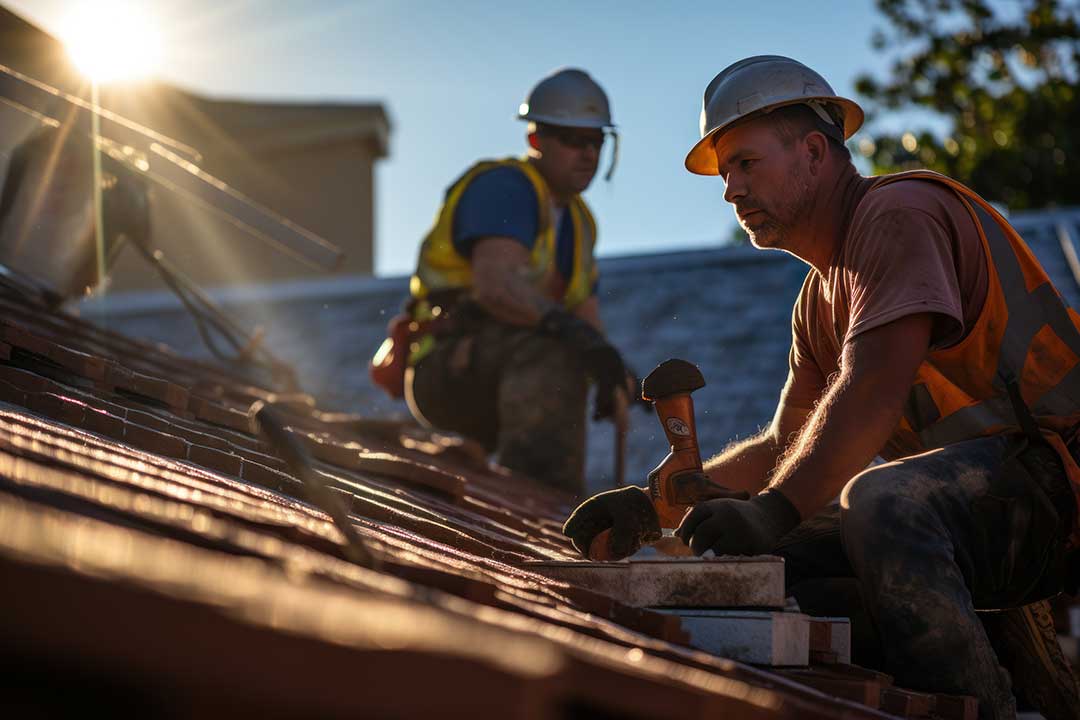
If a leak or defect appears and may be covered, the warranty provider typically asks for:
- Detailed proof of the issue (photos, inspection reports)
- Evidence of proper maintenance
- Original warranty documents and any required registration
If coverage applies, the process isn’t always immediate. Manufacturer warranty claims may require going through national offices rather than local suppliers, which can mean waiting for inspections or repair authorizations.
Are There Special Considerations for Roof Warranties in East Grand Rapids?
The city’s climate—characterized by heavy winter snow, periodic ice dams, spring rains, and summer winds—means roofs face significant seasonal stress. Some warranties may exclude damage from ice, pooled snow, or wind-driven rain. In older neighborhoods, attic ventilation or insulation may not meet current standards, potentially complicating claims linked to moisture or heat buildup.
Local homeowners should ask about wind and algae resistance ratings for their chosen roofing products—both can affect coverage eligibility. It also pays to ensure proper attic ventilation and keep up with regular gutter cleaning to reduce factors that may void warranty terms.
What Are Common Misunderstandings About Roof Warranties?
Here are a few points local residents often miss:
- Not all damage is covered: Weather events and maintenance neglect are almost never included.
- Length of coverage varies: “30-year” shingles may only have full coverage for the first decade.
- Filing claims is detailed: Documentation and proof of compliance with maintenance requirements matter.
- Transferring a warranty: If selling your home, find out if and how your coverage can be transferred to new buyers.
Knowing these nuances helps homeowners avoid frustration and unexpected costs.
Local Tips for Managing Roof Warranty Benefits
- Schedule annual roof checkups—especially after severe storms or at winter’s end.
- Keep digital and paper copies of all roof-related paperwork.
- Ask about any specifics unique to regional weather or aging home infrastructure.
Roof warranties are only as reliable as the maintenance and records supporting them. Care today can help honor warranty promises tomorrow.