

 See My Latest Article on HelloNation
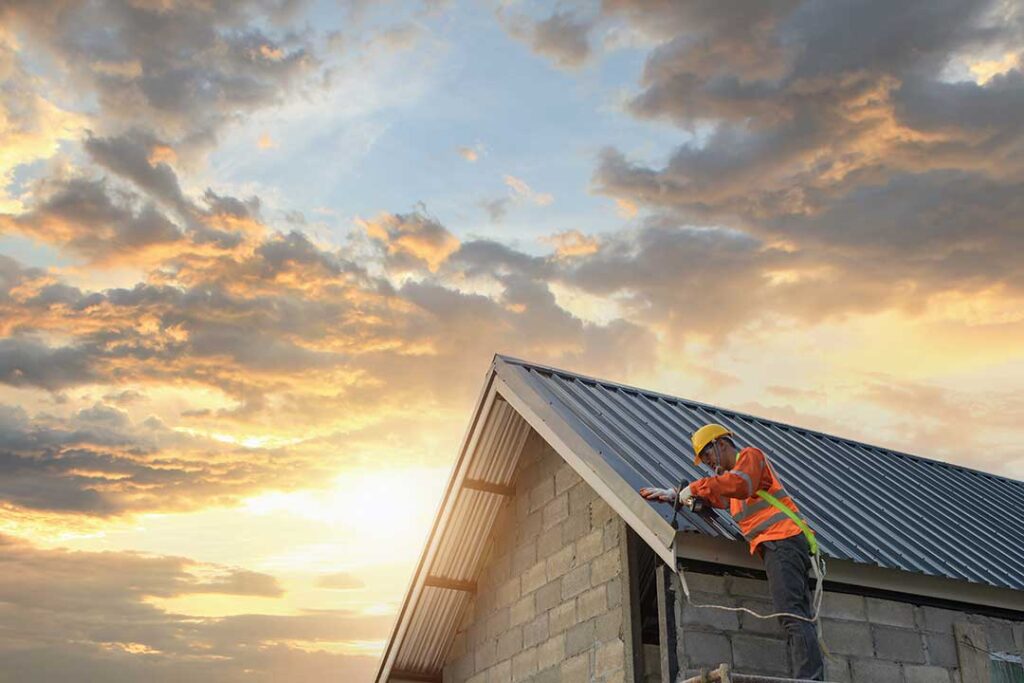
What Does Roof Ventilation Do and Why Is It Needed?
Roof ventilation helps maintain a steady flow of air in and out of the attic space. This airflow prevents moisture buildup, reduces heat in warmer months, and protects structural elements from damage. In East Grand Rapids, where homes experience distinct seasonal shifts—humid summers, brisk falls, and cold, snowy winters—ventilation is not just a building guideline, but a practical necessity.
Without adequate ventilation, attics can trap warm, moist air rising from living spaces. Over time, this trapped moisture and heat can compromise insulation, create the right conditions for mold, and reduce the overall health and value of your home.
How Does Roof Ventilation Affect Energy Efficiency in the Local Climate?
Properly ventilated attics maintain more consistent temperatures and can take pressure off heating and cooling systems. In East Grand Rapids, hot summers and freezing winters mean residents often notice higher energy bills during both heating and cooling seasons.
Good ventilation:
- Reduces heat buildup in the attic during summer—helping air conditioning work more efficiently.
- Prevents the formation of “hot spots” or “cold spots” that can strain HVAC systems.
- Limits ice dam formation in winter by keeping attic surfaces closer to the outside temperature, which stops snow from melting and refreezing along roof edges.
Homeowners in the community may not realize that an overheated or overly humid attic can drive up energy costs year-round, not just in the summer.
What Happens if Roof Ventilation Is Insufficient?
Without enough airflow, attics become breeding grounds for mold and mildew, especially during East Grand Rapids’s humid seasons or after heavy rain. Wet insulation loses its effectiveness, raising heating and cooling costs.
Some common problems linked to inadequate ventilation include:
- Curled, cracked, or deteriorating shingles due to trapped attic heat.
- Rusted roofing nails, brackets, and fasteners from condensed attic moisture.
- Staining or damage on interior ceilings from condensation or mold.
- Poor indoor air quality as mold and damp odors drift into living spaces.
These issues can show up gradually, so it’s useful for area residents to check for early signs of trouble, especially after seasonal transitions.
How Is Roof Ventilation Achieved in Typical East Grand Rapids Homes?
Most homes in East Grand Rapids use a combination of intake and exhaust vents. Intakes—like soffit vents—are typically installed under the roof’s eaves to let in cooler outside air. Exhaust vents are positioned near the ridge or roof peak, allowing warm, moist air to escape.
In our region, older houses (especially those built before building codes standardized attic ventilation) might have fewer or smaller vents, or less effective vent types. For these homes:
- Adding additional soffit or ridge vents often improves airflow.
- Checking that insulation doesn’t cover or block existing vents is critical.
- Gable-end vents may supplement airflow for certain attic layouts.
Understanding what’s currently installed helps community members make better decisions for long-term roof health.
Can Too Much Ventilation Cause Problems?
While rare, excessive or poorly balanced ventilation can lead to unwanted air currents, potential leaks, or local pressure imbalances that draw outside air and weather into attics. For example, installing too many exhaust vents without enough intake can sometimes cause the system to pull air from the living space or bring in precipitation.
The city’s climate—with freezing rain, sleet, and strong winds in the transitional seasons—means small gaps or inadequately protected vents could let in moisture or pests. Proper design and balanced intake/exhaust are more effective than simply increasing vent numbers.
What Are Some Overlooked Signs of Ventilation Issues?
Area residents sometimes overlook subtle changes that point to ventilation troubles:
- Persistent icicles or ice dams along roof edges in late winter.
- Unexpectedly warm or cold upstairs rooms compared to lower levels.
- Attic smells of mildew, especially during spring thaws or humid late summers.
- Frost or damp patches visible on attic rafters or sheathing.
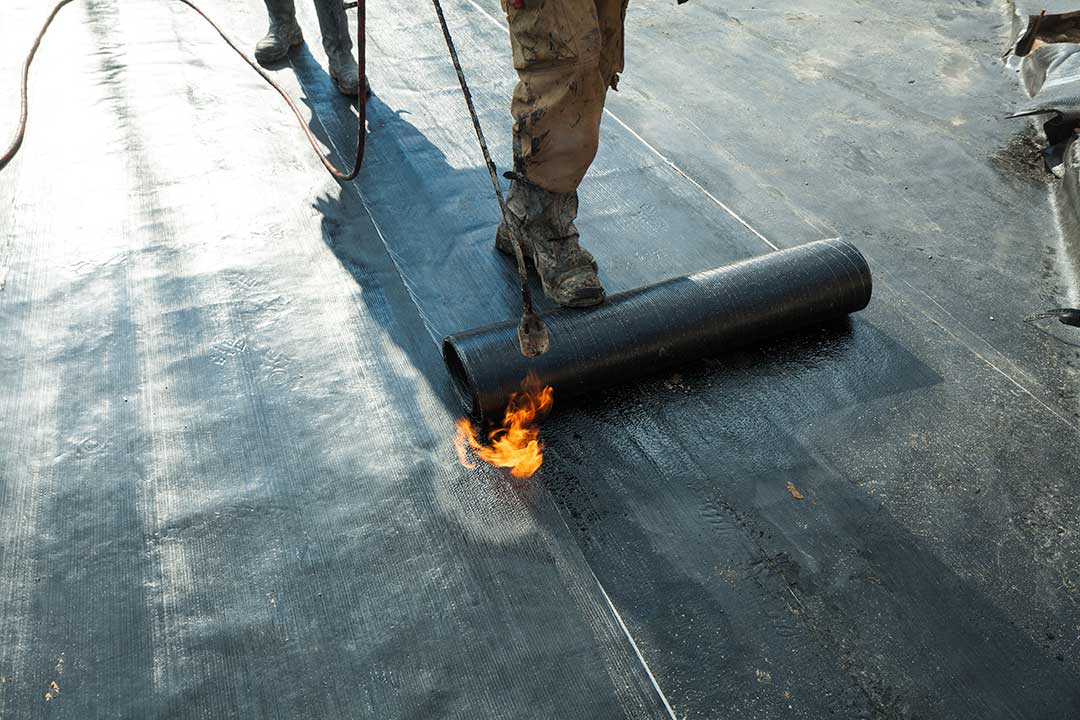
Regular checks, particularly after major storms or freeze-thaw cycles, help spot issues before they affect living spaces.
Common Myths About Roof Ventilation in This Region
Some myths persist in East Grand Rapids about attic airflow:
- Myth: “My attic needs to be as warm as my house in winter to prevent problems.”
- Fact: Attics should be close to the outside temperature, with moisture kept low. Warm attics can melt roof snow and cause ice dams.
- Myth: “Adding insulation is all I need for energy efficiency.”
- Fact: While insulation is essential, poor ventilation negates much of its benefit and can lead to moisture issues.
- Myth: “Roof vents are only for summer and can be closed in winter.”
- Fact: Proper ventilation is important year-round, as moisture can build up even when it’s cold outside.
Understanding these distinctions helps community members make choices aligned with local climate realities.
How Can Homeowners Check If Their Attic Ventilation Is Working?
Community members can do a basic check by:
- Inspecting soffit and ridge vents for blockages (dust, insulation, nests, or debris).
- Looking for visible mold, damp insulation, or water stains in the attic.
- Checking for temperature extremes or stuffiness on simply walking into the attic.
- Noting differences in roof snowmelt patterns compared to neighboring homes.
Those with concerns about hazardous molds, attic wiring, very steep roofs, or inaccessible attics should use caution and may consider consulting specialists with relevant training for health or safety issues.
Local Weather and Seasonal Factors That Impact Roof Ventilation Needs
The climate in East Grand Rapids—marked by snow-heavy winters, humid summers, and substantial spring rains—makes roof ventilation particularly relevant. Rapid temperature swings and high humidity drive both heat and moisture upward, emphasizing the need for consistent attic airflow.
Annual snow accumulation can temporarily block roof vents or lead to ice dams, while wet summers may promote condensation if airflow is lacking. Considering these local weather patterns helps area households adapt their roof strategies for year-round protection.