

 See My Latest Article on HelloNation
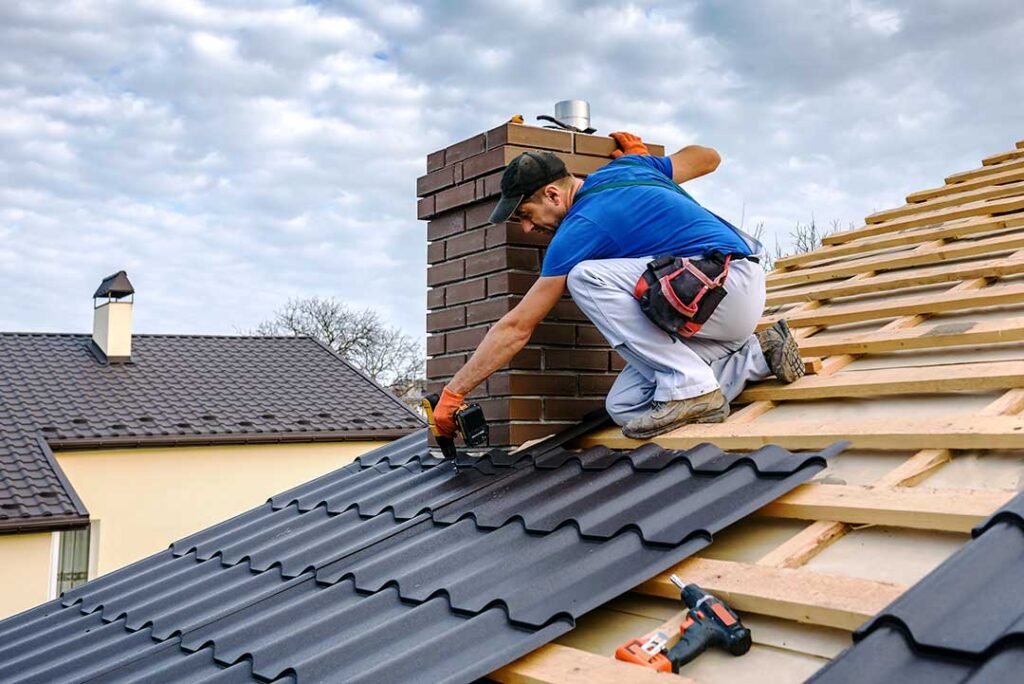
Why Do Homeowners in East Grand Rapids, MI Need Roof Inspections?
A professional roof inspection serves as a proactive way to monitor roof health, catch potential issues early, and extend the lifespan of your roofing system. For residents of East Grand Rapids, the mix of cold winters, humid summers, and seasonal storms means that roofs face a wide range of weather-related challenges year-round. Roof inspections are especially valuable before and after harsh winters or major wind events, as early detection of small problems can help avoid costly repairs later.
What Happens During a Roof Inspection?
A thorough roof inspection usually follows a structured process. Most roofing experts begin by assessing both the exterior and interior parts of the roofing system. This process often takes one to two hours, depending on the size and complexity of the home.
Exterior Review
Inspectors typically start by evaluating the outside of the roof, looking for:
- Missing, cracked, or curling shingles typical of weathering in Michigan’s freeze-thaw cycles
- Moss, algae, or lichen growth, which may indicate moisture retention
- Damaged or rusted flashing around chimneys, vents, or skylights
- Signs of ice dams, particularly along gutters and roof edges after winter
- Sagging rooflines or dips that could signal deeper structural problems
Drones are sometimes used for hard-to-reach areas, especially for multi-story homes commonly found in the East Grand Rapids area.
Interior and Attic Assessment
Next, inspectors usually check the interior ceilings and attic spaces for signs of hidden leaks or ventilation problems:
- Stains or spots on ceilings and interior walls
- Wet insulation, which can reduce energy efficiency and cause mold
- Adequacy of attic ventilation, since blocked airflow can accelerate shingle aging or encourage ice dam formation
What Are the Most Common Issues Found in Local Roof Inspections?
Roofs in East Grand Rapids face several recurring issues, often tied to climate and aging housing stock:
- Ice dam formation from heavy snowfall and poor attic insulation
- Wind damage from summer storms or strong lake-effect gusts
- Granule loss on asphalt shingles, especially on older roofs
- Flashing failure around chimneys, which can allow water penetration
- Gutter blockage from leaves and spring blossoms, leading to water backup onto the roof
It’s also not unusual to find animal nests or moss buildup in shaded, tree-lined neighborhoods, which can contribute to localized roof deterioration.
Will the Inspector Go Onto the Roof?
In most cases, a complete roof inspection involves both a visual walk-around from the ground and a physical inspection on the roof itself. If conditions are slippery or unsafe—such as after a heavy rainfall, during icy conditions, or if the roof is too steep—the inspector may rely more on binoculars or drones for a safe evaluation. Regardless of method, reputable inspectors in the community prioritize safety and ensure the roof is evaluated without damaging any materials.
How Should Residents Prepare for an Inspection?
Preparing for a roof inspection is generally straightforward. Homeowners in East Grand Rapids can help by making sure:
- All gates are unlocked and pets are secured
- Vehicles are not blocking access to the driveway or garage, allowing for easier ladder setup
- Attic spaces are accessible if interior inspection is included
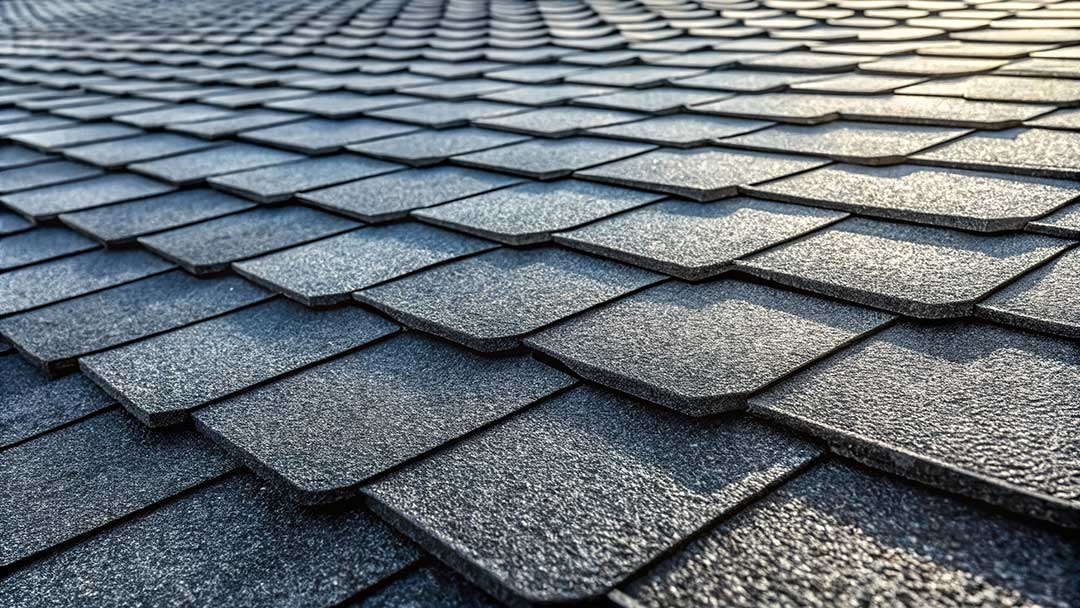
If there have been recent problems like leaks, water stains, or drafty areas, mentioning these concerns in advance gives the inspector better context and can speed up the process.
What Documentation Is Provided After an Inspection?
At the end of the inspection, homeowners typically receive a detailed written report. This document often includes:
- Findings with supporting photos (including trouble spots or maintenance recommendations)
- A summary of the roof’s current condition
- An estimate of remaining roof life, based on local climate wear and the age of materials
- Suggestions for routine maintenance or DIY fixes that are safe for homeowners to handle
This documentation is especially valuable for property owners planning to sell, those with insurance claims, or anyone budgeting for major home repairs.
Do Inspections Cover Gutters and Downspouts?
A professional roof inspection in the East Grand Rapids area often includes checking gutters and downspouts. Functioning gutters help prevent water from ponding along the roof edge or seeping into the foundation, both of which are common sources of damage in this climate. Inspectors look for:
- Loose, sagging, or rusted gutters
- Clogged downspouts
- Evidence of water staining or overflow
Regular maintenance of these systems is especially important for households surrounded by mature trees.
Can Homeowners Do Their Own Roof Inspections?
While some visual checks—like spotting missing shingles from the yard or noting interior water stains—are possible for many homeowners, a full inspection requires careful movement and trained eyes. The risk of falling or missing subtle issues increases significantly for those not experienced. For safety reasons and to ensure a thorough review, most residents rely on qualified inspectors for anything beyond the most basic checks.
Are There Local Regulations or Seasonal Considerations?
East Grand Rapids doesn’t require a permit for roof inspections alone, but any significant repairs uncovered during an inspection may need to comply with local building codes. Certain neighborhood associations may also have their own rules for roofing material or color. Seasonally, late spring and early fall tend to be the most popular times for roof assessments, as extreme heat, heavy rains, or icy conditions can hinder a thorough inspection.