

 See My Latest Article on HelloNation
How Can You Tell Your Roof Needs Replacing?
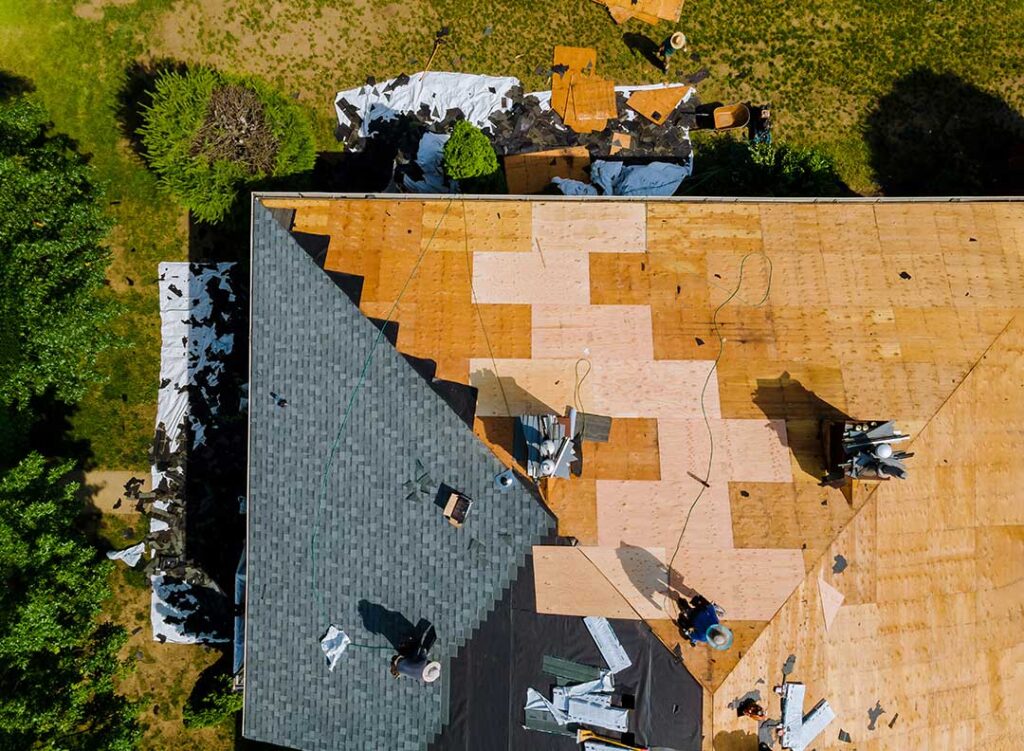
Most residents in East Grand Rapids often wonder how to recognize when a roof has reached the end of its useful life. While some aging is normal, there are telltale signs that suggest a full replacement is a better long-term option than repairs. Indications include recurring leaks, visible sagging, extensive shingle deterioration, and evidence of chronic moisture issues. Recognizing these symptoms early can help local homeowners avoid more severe water damage and maintain the integrity of their homes.
What Roof Lifespan Should You Expect in East Grand Rapids?
The average roof in East Grand Rapids generally lasts between 15 and 30 years, but actual longevity varies depending on material, quality of installation, and exposure to the elements. Asphalt shingles, the area’s most common material, typically fall on the lower end of that range. Heavier materials like metal or slate can last longer, but are less common for most single-family homes in the city.
Factors unique to the area, such as heavy winter snowfall, frequent freeze-thaw cycles, and wet springs, can shorten a roof’s lifespan compared to milder climates. Residents might notice that roof sections exposed to regular wind from nearby Reeds Lake deteriorate more quickly due to consistent moisture.
Are Leaks Always a Reason to Replace Your Roof?
Not every leak means a roof must be replaced. If water damage is isolated to a small area, a repair may be enough; however, multiple leaks across different parts of the house, or leaks that return after repairs, often signal a bigger issue such as widespread shingle or underlayment failure. In East Grand Rapids, where attic moisture or condensation can also mimic roof leaks, it’s useful to check for past ice dams, which may signal a need for more thorough repairs or replacement.
What Visual Clues Should You Look For?
Visible signs of deterioration can make the decision easier:
- Shingles that are curling, cracked, or missing in several locations
- Large bald spots where protective granules have worn away
- Sagging sections of roofline, which may indicate rotting decking below
- Moss or algae growing in patches, linked to persistent moisture retention
Even subtle visual changes, such as widespread discoloration or faint buckling, can point to underlying damage common in the city’s climate—especially after freeze-thaw cycles or a severe hailstorm.
How Does Weather in East Grand Rapids Affect Roof Longevity?
The city’s climate increases roof wear in ways that may surprise new homeowners. Winters often bring heavy snow and ice accumulation, leading to ice dams at the eaves. Ice dams keep melting snow from properly draining, causing water to back up under shingles and potentially rot the underlying wood structure.
In spring and fall, rapid temperature swings and windy storms can loosen shingles or lift flashing, accelerating overall wear. Warmer, humid summers also create conditions perfect for moss and algae, which can trap moisture and degrade shingles even further. Checking for wear after major seasonal shifts is a smart habit for area residents.
Are Aging Roofs a Safety Hazard?
An extremely aged or deteriorated roof can compromise both home safety and value. In East Grand Rapids, an older roof is more vulnerable to water infiltration that the structural wood in attics and ceilings cannot safely absorb over time. This can result in hidden rot, mold growth, and even weakened roof trusses. For homes with finished attics or multiple roof layers, hidden moisture issues may go unnoticed until substantial repairs are needed.
If a roof is visibly sagging or showing signs of structural instability, replacement tends to be the only safe option to restore the home’s integrity.
What Are Some Misconceptions About Roof Replacement?
A few persistent myths can prevent local homeowners from making informed decisions:
- “A few missing shingles aren’t a big deal.” Over time, missing shingles expose the waterproof underlayment and decking, accelerating overall deterioration.
- “Roofs automatically last as long as the warranty.” Material warranties are helpful but assume ideal maintenance and installation—East Grand Rapids’ climate usually reduces real-world lifespan.
- “Newer roofs don’t need to be checked.” Even roofs under 10 years old can suffer from hail damage, ice dams, or poor drainage, especially after severe seasons.
How Do Roofing Materials Influence Timing?
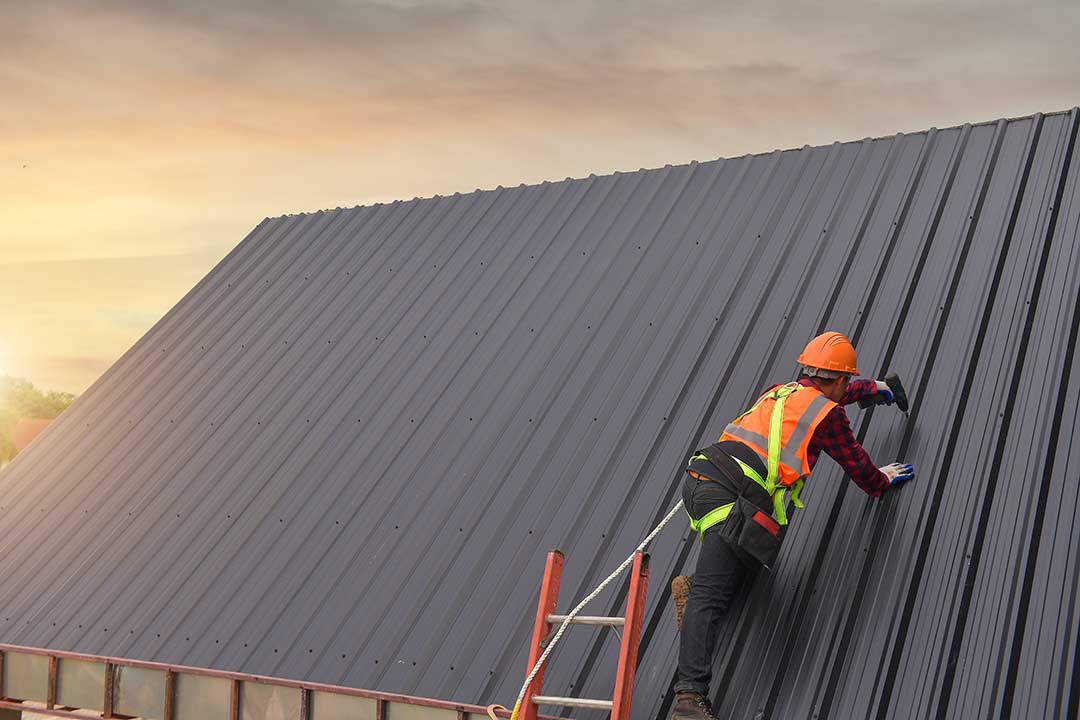
The type of roofing material directly affects when replacement is needed.
- Asphalt Shingles: The most common in the community, typically last 15-20 years under local conditions.
- Metal Roofing: More durable, sometimes exceeding 40 years, but rare on most traditional homes in the city.
- Wood Shingles/Shakes: Uncommon, but susceptible to moisture and rot in humid, rainy springs.
- Flat or Low-Slope Roofs: Often found on additions or modern builds, these require more frequent monitoring for ponding and seam leaks.
Material choice can also affect appearance; mismatched or patchwork repairs are more noticeable on certain roof types, influencing the decision to replace versus repair.
What’s the Impact of Home Age and Architecture?
Older homes in East Grand Rapids, especially those with steep gables or original slate, clay, or wood details, may require replacement more often—or specialized materials and techniques—than less historic houses. The insulation and ventilation in older attics are sometimes less effective, causing ice dam problems or accelerated shingle wear.
Homeowners in neighborhoods with mature trees face additional risks from falling limbs and accumulated debris, which can promote algae growth or clog gutters, leading to water backing up under shingles.
What Steps Can Residents Take to Monitor Roof Health?
Routine home maintenance helps prolong roof life and identify replacement needs early. Area homeowners should:
- Check the attic for daylight or moisture stains
- Examine shingles and rooflines from the ground after major storms
- Clean gutters regularly to reduce backup and formation of ice dams
- Look for piles of shingle granules in gutters, which often accompany aging roofs
- Monitor ceilings for new water stains, especially after heavy rain or snowmelt
Staying attentive to these factors offers the best defense against unexpected roof failures and helps ensure timely, well-informed decisions.