
 See My Latest Article on HelloNation
Does sunlight really damage a roof?
Yes. Sun exposure gradually affects roofing materials through heat, ultraviolet radiation, and repeated expansion and contraction. The process is usually slow, so a roof may appear sound while its shingles, underlayment, flashing, and ventilation components are aging faster than expected.
For homes in East Grand Rapids, MI, sunlight is only one part of the weathering process. A roof may receive strong summer sun, then face freezing temperatures, snow, ice, wind, and moisture during the rest of the year. These conditions can work together, making small areas of sun-related wear more significant over time.
How does ultraviolet light affect shingles?
Ultraviolet, or UV, radiation breaks down the chemical compounds that help roofing materials remain flexible and waterproof. Asphalt shingles gradually lose some of their protective properties as they absorb years of sunlight.
Common signs include:
- Faded or uneven shingle color
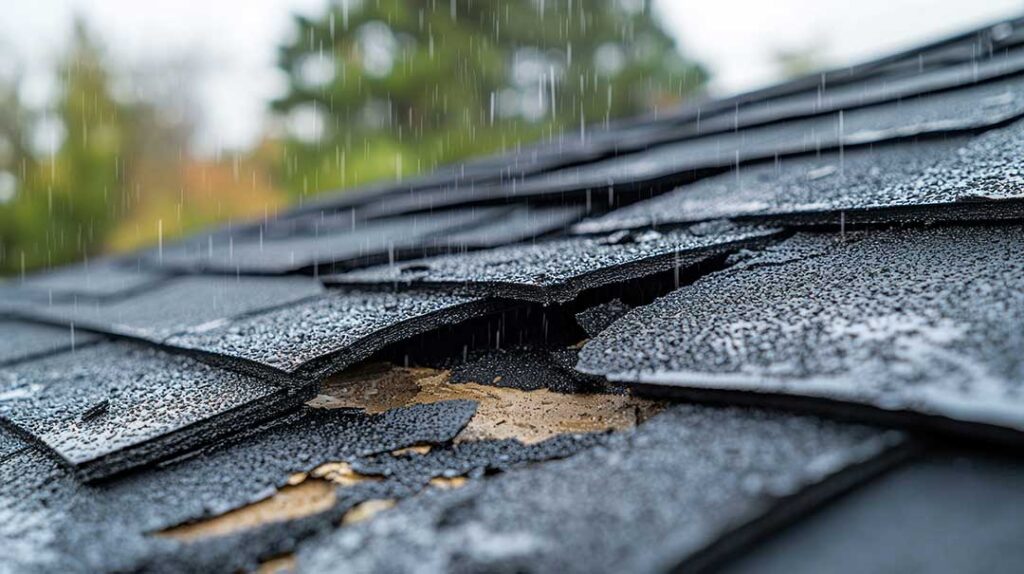
- Brittle or cracked surfaces
- Loss of granules in gutters or near downspouts
- Curling or lifting edges
- Exposed asphalt mat beneath missing granules
- Reduced flexibility when shingles are disturbed
Granules provide more than color. They help shield the asphalt coating from UV radiation and add some resistance to impact. As granules loosen, the underlying material becomes more exposed to sunlight and weather.
South-facing and west-facing roof slopes often show aging sooner because they receive stronger or longer periods of direct sunlight. A nearby tree, chimney, dormer, or taller structure can create shade on one portion of a roof, producing noticeable differences between shaded and sunny areas.
Why does roof temperature matter?
A roof can become much hotter than the surrounding air during a sunny summer day. Dark roofing surfaces absorb solar energy, and heat may build beneath the shingles if air movement through the attic is limited.
High temperatures can contribute to:
- Faster loss of shingle flexibility
- Softening or deformation of asphalt-based materials
- Drying and shrinking of sealants
- Stress on flashing around roof penetrations
- Increased attic temperatures
- Greater cooling demand inside the home
Heat does not automatically mean a roof is defective. Roofing materials are designed to tolerate normal seasonal exposure. The concern is repeated heating and cooling over many years, especially when ventilation is poor or materials are already near the end of their expected service life.
How do expansion and contraction affect roofing?
Roofing materials expand when heated and contract as they cool. The movement is usually small, but it happens repeatedly. Over time, that movement can place stress on seams, fasteners, flashing, pipe boots, ridge components, and areas where different materials meet.
For example, metal flashing and asphalt shingles do not respond to temperature changes in exactly the same way. Their different rates of expansion can gradually loosen sealants or create small openings. Water may then enter during wind-driven rain or melting snow.
Temperature changes are especially relevant in a northern climate, where a roof may move between hot summer afternoons and freezing winter nights. Sun exposure can intensify this cycle by creating sharper temperature differences between shaded and exposed sections.
Can sun exposure cause roof leaks?
Sun exposure alone does not always create an immediate leak, but it can weaken materials that help keep water out. Cracked shingles, dried sealants, lifted flashing, and exposed fasteners may eventually allow water to reach the roof deck or attic.
Leak-related warning signs inside the home may include:
- Brown or yellow ceiling stains
- Peeling paint near upper walls
- Damp insulation in the attic
- Musty odors
- Daylight visible around roof penetrations
- Moisture appearing after rain or snowmelt
The location of an interior stain does not always match the exact location of the roof problem. Water can travel along roof decking, rafters, insulation, or framing before becoming visible. A stain near a sunny roof slope may reflect damage several feet away from the point where water entered.
Why do some roof sections age faster than others?
Uneven aging is common. Sun exposure varies according to roof direction, pitch, nearby shade, and the presence of dormers or other structures.
A roof section may deteriorate faster if it:
- Faces the afternoon sun
- Has little shade from trees or surrounding structures
- Holds heat because of a low slope
- Has limited attic ventilation beneath it
- Contains several penetrations or changes in roof direction
- Receives reflected sunlight from nearby surfaces
Shade can slow UV exposure, but it is not always beneficial in every situation. Dense shade may keep a roof damp longer after rain, encourage moss growth, and reduce drying. The most durable conditions generally involve balanced sunlight, proper drainage, and sufficient airflow rather than constant exposure or constant shade.
Does attic ventilation reduce sun-related roof damage?
Proper attic ventilation can help manage heat and moisture, although it cannot stop UV aging on the roof surface. Ventilation allows hot air to escape and helps reduce the temperature difference between the roof exterior and the attic.
A functioning ventilation system typically depends on both intake and exhaust pathways. Blocking soffit vents with insulation, covering vents with debris, or relying on too few exhaust openings can reduce airflow.
Possible signs of attic heat or moisture problems include:
- Excessive heat in the attic during summer
- Frost or dampness on roof framing during winter
- Rusted nails or fasteners
- Mold-like staining
- Insulation that appears compressed or wet
- Uneven roof aging
Ventilation should not be evaluated by adding vents at random. Intake and exhaust openings need to work together, and changes should account for the roof design.
Are light-colored roofs less affected by sunlight?
Lighter roofing surfaces generally absorb less solar heat than darker ones, so they may remain cooler under strong sun. This can reduce heat buildup, particularly on roofs with limited ventilation.
However, color is not a complete measure of durability. Material quality, installation, roof design, ventilation, drainage, and maintenance also influence service life. A light-colored roof can still develop problems if flashing fails, water collects, or shingles lose their protective surface.
Reflective or cooler roofing materials may also affect winter conditions and surrounding surfaces. Their benefits depend on the building design and local weather pattern, not simply on color alone.
What should residents look for during a routine roof check?
A visual check from the ground or a safe accessible location can identify changes without requiring anyone to walk on the roof. Binoculars can help examine upper slopes, flashing, and ridge areas.
Look for:
- Noticeably faded or patchy shingles
- Curling, cracked, or missing shingles
- Granules accumulating in gutters
- Exposed nail heads
- Loose or damaged flashing
- Sagging roof lines
- Moss or debris holding moisture
- Gaps around vents, chimneys, or skylights
Roof surfaces can be slippery, unstable, and hazardous, particularly after rain, frost, or snow. Walking on brittle shingles can also cause additional damage. Conditions involving active leaks, structural sagging, exposed decking, or unsafe access may require evaluation by a qualified roofing professional.
How can sun-related aging be slowed?
No maintenance routine can prevent sunlight from aging roofing materials, but it can reduce avoidable stress and help problems become visible earlier.
Useful steps include:
- Keep gutters and drainage paths clear
- Remove debris that traps moisture
- Maintain attic insulation and ventilation
- Trim vegetation only when it creates a drainage or moisture concern
- Check flashing after severe weather
- Watch for granule loss and changes on the sunniest roof slopes
- Address small water-entry signs before freeze-thaw cycles worsen them
The most useful approach is to view sun exposure as part of the roof’s overall weather history. A sunny roof slope may not fail suddenly, but gradual fading, brittleness, heat buildup, and flashing deterioration can indicate that the materials are becoming less resilient.