

 See My Latest Article on HelloNation
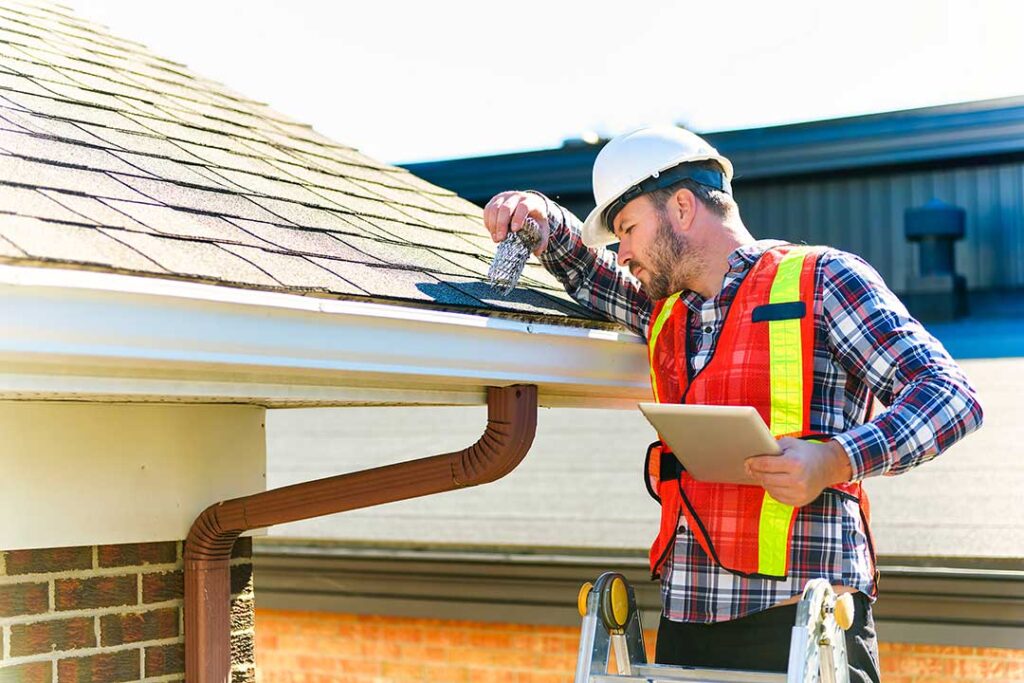
Removing leaves, twigs, pine needles, and small branches from a roof is usually a manageable maintenance task when the debris is light and the roof can be reached safely. The main goals are to prevent blocked drainage, avoid damaging roofing materials, and recognize when the roof or debris is unsafe to handle from the ground or a ladder.
What roof debris should be removed?
Loose organic material should be cleared before it becomes wet, compacted, or trapped beneath snow. Common debris includes:
- Leaves and pine needles
- Small branches and bark
- Seed pods, cones, and roof moss
- Mud or sediment carried by wind and rain
- Storm-blown items such as plastic, toys, or lightweight yard materials
Debris is especially troublesome in roof valleys, around chimneys, behind plumbing vents, and near skylights. These areas naturally collect material and can hold moisture against shingles or other roof coverings.
A small amount of dry leaf litter is not normally an emergency. However, a thick layer that stays wet can encourage moss growth, conceal damaged shingles, and slow water as it moves toward gutters.
Is it safe to remove debris from the roof yourself?
Only remove roof debris yourself if the task can be completed from the ground or from a securely positioned ladder without stepping onto the roof. Walking on a roof creates fall risks, and wet shingles, frost, moss, steep slopes, and loose debris make footing less predictable.
A roof should not be accessed during rain, snow, freezing temperatures, strong wind, or when the surface is damp. In the local climate, freeze-thaw cycles can leave shaded roof areas slippery even after the air temperature rises.
Avoid roof access when:
- The roof is steep or has multiple levels
- The roof surface is visibly damaged or sagging
- A tree limb is resting on the roof
- Power lines are near the work area
- Debris includes broken glass, exposed nails, chemicals, or unknown materials
- There is no safe way to secure the ladder
- You are not equipped with appropriate fall-protection equipment and training
A fall from even a single-story roof can cause serious injury. A ladder is an access tool, not a substitute for a safe working surface or fall protection.
How can light debris be removed from the ground?
For many homes, a roof rake or soft-bristled extension brush is the safest option. Use a tool designed for roof surfaces rather than a metal rake, shovel, or hard scraper.
Work from the ground and pull debris gently toward the lower roof edge. Do not jab upward into shingles, scrape forcefully, or drag heavy branches across the roof. Excessive pressure can loosen granules, break brittle shingles, damage membrane roofing, or disturb flashing.
A few practical precautions help:
- Wear eye protection and gloves.
- Keep people, pets, vehicles, and outdoor furniture away from the falling debris.
- Work slowly so branches do not swing into windows, siding, or gutters.
- Pull debris away from valleys rather than pushing it deeper into them.
- Stop if the tool catches on shingles, flashing, vents, or gutters.
- Do not use a leaf blower from a ladder or elevated platform.
Light debris can often be loosened with a roof rake and then collected from the ground. Avoid piling wet leaves against the foundation, where they can contribute to drainage problems.
What should be done with branches or storm debris?
Small twigs can usually be gathered by hand from the ground after they have been pulled down safely. Larger limbs should not be dragged across the roof or cut while resting on it. A branch may be supporting tension, hiding roof damage, or pressing on gutters and fascia.
After a storm, look from the ground for:

- Missing or lifted shingles
- Bent or detached gutters
- Damaged flashing
- Punctures or holes
- Exposed underlayment
- Sagging roof areas
- Broken skylights or vents
- Branches that have penetrated the roof
If a large limb is on the roof, keep people out of the rooms directly beneath it until the situation has been evaluated. Do not climb onto the roof to cut it into smaller sections.
How do you remove debris from roof valleys and gutters?
Roof valleys should be cleared carefully because they direct a large volume of water during heavy rain. Use a soft tool from the ground when possible. Do not force material under overlapping shingles or pry up flashing.
Gutters and downspouts should be checked after roof debris is removed. Leaves pulled from the roof may collect in the gutter and create a second blockage. If the gutters can be reached safely from the ground, use a gutter-cleaning attachment or hand tool designed for that purpose.
Never lean a ladder against a gutter, gutter guard, skylight, or fragile trim. Set the ladder on firm, level ground, maintain three points of contact while climbing, and keep the work area clear below. If the gutter is too high to reach without stretching or standing on the top rungs, the task is not suitable for an improvised approach.
Should moss or roof growth be scraped away?
Moss should not be aggressively scraped from shingles. Scraping can remove protective granules and expose the roofing material beneath. Thick growth may also indicate persistent shade or moisture, which should be addressed separately.
Loose leaves and twigs can be removed without treating the roof. Moss, algae, or lichen may require a roof-safe cleaning method, but pressure washing is generally unsuitable for asphalt shingles because the force can damage the surface and drive water beneath roofing components.
Do not mix cleaning chemicals or apply a product without confirming that it is appropriate for the specific roof covering, nearby plants, gutters, and drainage system.
What changes during winter?
Snow and ice should not be treated like ordinary roof debris. Removing snow from an elevated roof can create fall hazards, overload concerns, falling-ice hazards, and damage to shingles or flashing.
A roof rake may be appropriate for limited snow removal from the ground, but pulling all snow from a roof is not always necessary. Leave a safe buffer near roof edges, avoid standing beneath falling snow or ice, and do not chip at ice dams with a hammer, shovel, or other sharp tool.
In East Grand Rapids, repeated snow, wind, and thawing can move debris into valleys and gutters over the course of a season. A visual inspection from the ground after major storms and before spring rains can identify problems without requiring roof access.
When should roof debris removal stop?
Stop the task if debris removal reveals active leaking, structural movement, damaged electrical equipment, a fallen limb, or roofing materials that are loose or breaking apart. Water stains on ceilings, daylight visible through the roof, and sagging sheathing are signs that the issue is more than routine cleanup.
The safest approach is to document the condition from the ground, keep people away from the affected area, and avoid additional disturbance. Debris removal should reduce risk—not create a new one by damaging the roof or exposing someone to a fall.