

 See My Latest Article on HelloNation
What do curling and cracking mean?
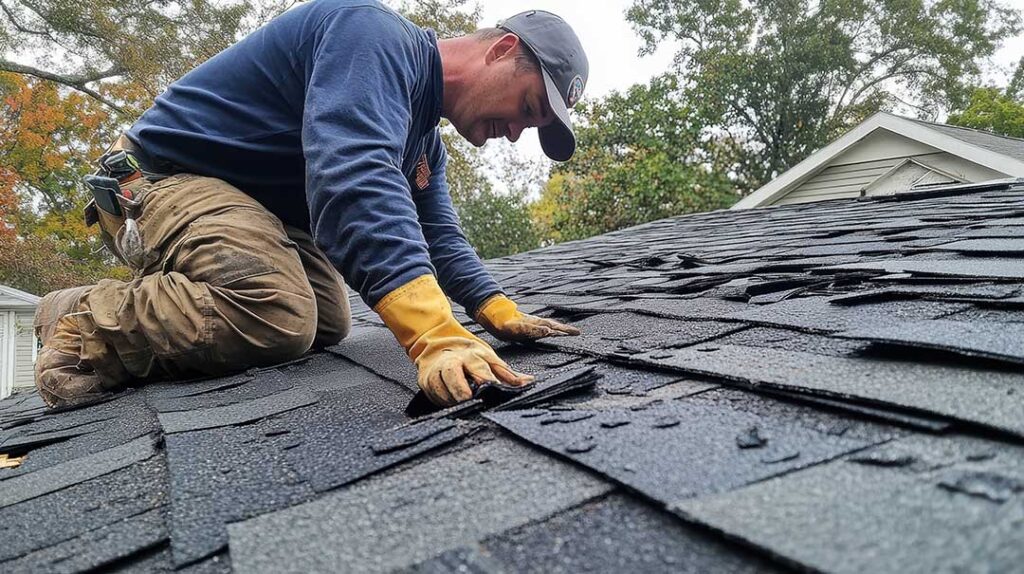
Curling and cracking are signs that asphalt shingles are losing their ability to lie flat, shed water, and protect the roof deck. A curled shingle may lift at the corners, along the edges, or at the lower tabs. A cracked shingle may show splits through the surface, often running vertically or across the tab area.
These conditions do not always mean the entire roof has failed. The proper response depends on the number of affected shingles, their location, the roof’s age, and whether water is entering the building.
In East Grand Rapids, seasonal temperature swings, snow, ice, wind, and repeated wet-dry cycles can make these problems more noticeable. Older homes may also have roof sections with different exposure levels, ventilation conditions, or previous repairs, so damage is not always uniform.
Why do asphalt shingles curl?
Curling usually results from aging, heat exposure, moisture, installation problems, or poor roof ventilation. Several causes may occur at the same time.
Common causes include:
- Normal aging: Asphalt becomes less flexible over time. The edges may shrink, harden, and turn upward.
- Repeated temperature changes: Shingles expand in warm weather and contract in cold weather. Frequent movement can weaken the material and its seal.
- Improper installation: Shingles installed with incorrect nail placement, insufficient fastening, or poor alignment may not remain flat.
- Inadequate attic ventilation: Excessive heat beneath the roof can accelerate shingle aging. Moisture trapped in the attic can also affect the roof deck and underlayment.
- Moisture beneath the shingles: A damp or uneven roof deck can push shingles upward or create distorted areas.
- Moss or organic growth: Growth along the lower edges can lift shingles and interfere with drainage.
- Wind exposure: Repeated movement can loosen the seal between shingle courses, especially along roof edges and ridges.
Some recently installed shingles may show temporary edge lifting during cold weather. This can happen before the factory-applied sealant has fully bonded, particularly when installation occurs late in the season. A slight, isolated lift is different from widespread curling on an older roof.
What causes shingle cracking?
Cracks develop when shingles become brittle or are stressed by movement. Surface cracks may begin as fine lines and later widen, split, or expose the underlying mat.
Typical causes include:
- Long-term ultraviolet exposure
- Repeated freezing and thawing
- Loss of oils and flexibility with age
- Manufacturing or material defects
- Excessive roof movement from poor ventilation or an uneven deck
- Foot traffic on brittle shingles
- Severe weather or falling branches
- Shingles installed over an uneven or poorly prepared surface
Cracking may be difficult to see from the ground. Look for broken lines in the shingle tabs, exposed dark or fibrous material, missing granules around the cracks, or small pieces collecting in gutters and at the base of downspouts.
Are curled or cracked shingles an emergency?
Usually, the condition is not an emergency unless there is active leaking, a large area of missing material, or a safety hazard. However, curled and cracked shingles should not be ignored because water can enter beneath a lifted edge or through a split.
More urgent warning signs include:
- Water stains or damp drywall on ceilings
- Dripping during rain or thawing snow
- Shingles missing after wind
- A large section with exposed underlayment
- Sagging roof decking
- Widespread cracking or curling
- Daylight visible through the roof assembly from the attic
- Wet insulation or mold-like growth in the attic
If water is entering the home, contain it indoors with a bucket and move belongings away from the area. Do not climb onto a wet, icy, or steep roof. Roof surfaces are especially hazardous during winter and during the freeze-thaw periods common in this region.
Can a curled or cracked shingle be repaired?
A small number of damaged shingles may be repairable if the surrounding roof is still flexible, well-sealed, and in reasonably good condition. A repair generally involves removing the affected shingle without damaging nearby courses and installing a compatible replacement.
Adhesive alone is not a reliable solution for severe curling or cracking. Roofing cement may temporarily hold an edge in some situations, but it cannot restore brittle asphalt or repair damage beneath the shingle. Excessive cement can also interfere with future repairs and trap debris.
Repairs are less likely to be practical when:
- Damage is scattered across many roof slopes
- Shingles are brittle and break during handling
- The roof is near the end of its expected service life
- Granule loss is widespread
- The underlayment or decking is damaged
- Curling is caused by ventilation, moisture, or installation problems that remain unresolved
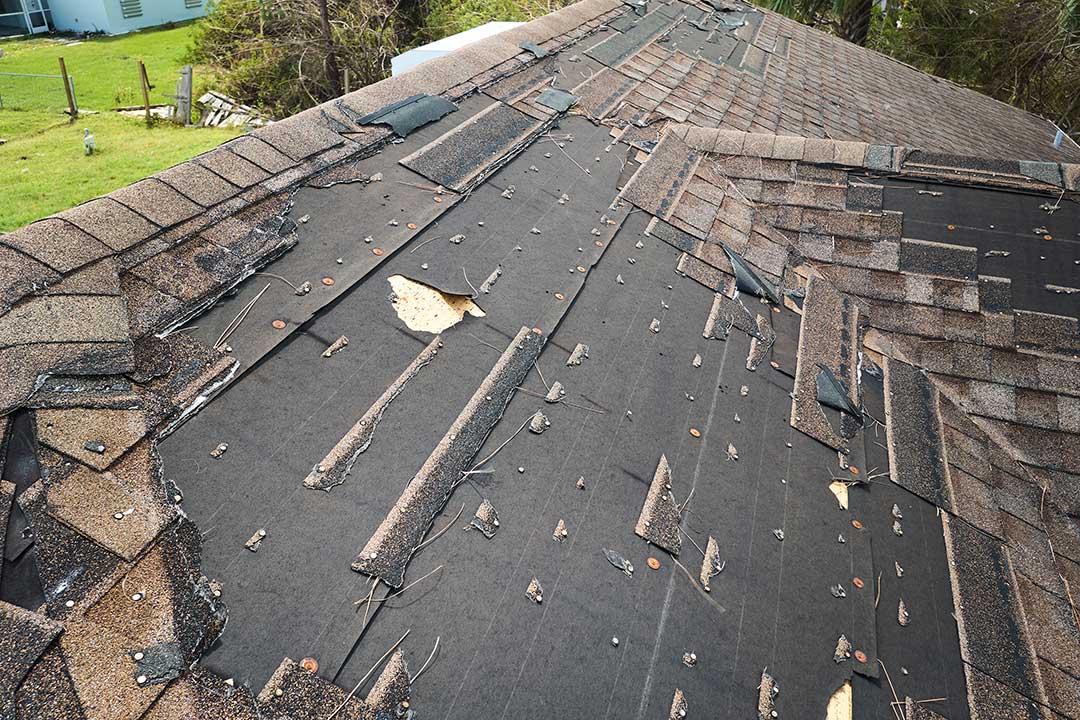
The visible shingle problem should be treated as a symptom. Replacing shingles without correcting an underlying ventilation or moisture issue may lead to repeated damage.
How can homeowners inspect the roof safely?
A ground-level inspection can identify many warning signs without stepping onto the roof. Use binoculars if needed and look at roof edges, valleys, penetrations, ridges, and areas below overhanging branches.
From the ground, check for:
- Tabs that appear darker because they are lifting
- Rows that no longer look straight
- Cracked or missing shingle corners
- Bare patches where granules have worn away
- Shingle pieces in gutters
- Exposed nails or underlayment
- Stains on siding or fascia
- Water marks inside the attic
An attic inspection can provide additional information. Look for damp wood, rusted fasteners, wet insulation, musty odors, and daylight around roof penetrations. Ventilation openings should not be blocked by insulation, but attic work should be done carefully because nails may extend through the roof deck.
What should be done after a storm?
After strong wind, heavy snow, or a branch impact, inspect the property from the ground once conditions are safe. Look for missing shingles, lifted tabs, damaged flashing, and loose materials in the yard.
Do not pull off partially attached shingles or walk on the roof to make temporary repairs. A properly secured temporary cover may be necessary if there is active water entry, but covering a roof can also be dangerous in wind or on a steep slope. Any emergency work should prioritize fall protection and keeping people away from unstable materials.
If a storm damages only a few shingles, documenting the location with clear photographs can help determine whether a limited repair is appropriate. If the roof has widespread damage or the structure is unsafe to access, a qualified roofing professional may be necessary for a safe evaluation.
How can curling and cracking be prevented?
Routine observation helps catch damage before it becomes an interior leak. In this area, checking the roof in spring and again after major wind events is reasonable. Keep gutters and downspouts clear so water does not back up beneath the lower shingle courses.
Other preventive measures include:
- Keep branches from rubbing against the roof.
- Remove moss using methods that do not strip granules or damage shingles.
- Maintain clear attic ventilation paths.
- Address bathroom or kitchen exhaust that terminates in the attic.
- Avoid walking on asphalt shingles, particularly in cold weather.
- Replace damaged flashing around chimneys, skylights, walls, and roof penetrations.
- Watch for recurring ice buildup at the eaves, which may indicate heat loss or ventilation concerns.
Curling and cracking are best evaluated in context. A few isolated defects on an otherwise sound roof may call for careful repair, while widespread distortion usually points to aging or a system-level problem. The combination of visible roof conditions, attic evidence, moisture history, and roof age provides a more reliable answer than any single cracked or curled shingle.