

 See My Latest Article on HelloNation
Which roof type is better for a home?
Neither flat nor sloped roofs is universally better. The right choice depends on the building’s design, drainage needs, usable attic space, maintenance expectations, budget, and exposure to seasonal weather.
For many traditional homes, a sloped roof is the more practical option because water, snow, leaves, and ice can move away from the structure more naturally. Flat roofs can still perform well, especially on additions, garages, porches, and modern-style buildings, but they require carefully designed drainage and closer attention to surface condition.
In East Grand Rapids, roof selection should account for freeze-thaw cycles, winter snow, spring rainfall, summer heat, falling leaves, and the age of the surrounding housing stock.
What is the difference between a flat roof and a sloped roof?
A sloped roof has a noticeable pitch that allows water to flow toward gutters, valleys, and roof edges. Common residential examples include gable, hip, and shed roofs.
A flat roof is not completely level. It normally includes a slight slope, often called a positive drainage slope, so water can move toward drains, scuppers, or roof edges. A roof that truly holds standing water is not functioning as intended.
The difference is therefore less about whether a roof is perfectly flat and more about how much slope it has and how the drainage system is designed.
Why do many homes use sloped roofs?
Sloped roofs are well suited to climates with regular rain and snow because gravity helps remove water from the roof surface. They also provide several practical advantages:
- Snow is less likely to remain evenly distributed for long periods.
- Leaves and small debris are more likely to move toward gutters or roof edges.
- Attic ventilation and insulation can be easier to arrange.
- Traditional roofing materials are widely available in sloped-roof applications.
- Repairs are often more localized when damage affects a single section.
The pitch still matters. A low-slope roof may drain slowly, while a steep roof can shed precipitation efficiently but may be more difficult and hazardous to access. Steeper designs can also be more visible from the ground, making worn shingles, moss, or flashing easier to notice.
A sloped roof is not maintenance-free. Gutters can clog, flashing can fail, and improperly installed valleys can allow water into the roof assembly. The design reduces certain risks, but it does not eliminate the need for inspection and upkeep.
What are the advantages of a flat roof?
Flat roofs can create a clean architectural appearance and may make efficient use of space. They are common on contemporary homes and on sections of buildings where a traditional pitched roof would be impractical.
Potential advantages include:
- A simpler exterior profile for additions and low-rise structures.
- Usable roof space for mechanical equipment or carefully designed outdoor areas.
- Easier access for certain maintenance tasks, provided safe access is available.
- Less attic volume when an attic is not part of the building design.
- Compatibility with rooftop drainage systems that do not rely entirely on gutters.
Flat roofs also have limitations. Because water moves more slowly, small drainage problems can become significant. Blocked drains, damaged membranes, poor flashing, or an uneven surface may allow water to remain on the roof. Repeated ponding can accelerate material deterioration and increase the chance of leaks.
A flat roof can be a sound choice, but its drainage details are especially important. The roof surface, insulation, edge treatment, drains, and surrounding walls must work as one system.
Which roof handles snow and ice better?
A properly designed sloped roof generally manages snow and meltwater more naturally, but that does not mean every sloped roof is automatically safer or more durable.
Heavy snow can add structural weight to any roof. On a sloped roof, snow may remain in sheltered areas, behind roof features, or along valleys. Sudden sliding can also create hazards near entrances, walkways, and lower roofs.
Flat roofs may retain more snow because there is less slope to encourage movement. Their structural design must account for snow loads, and drains must remain clear during winter. Ice can also form around roof edges or drainage points when melting and refreezing occur.
For both designs, warning signs include unusual sagging, cracking, persistent leaks, blocked drainage, or doors and windows that suddenly become difficult to operate. These conditions can indicate movement or moisture-related damage and should not be ignored.
Which type is easier to maintain?
Sloped roofs usually require less frequent attention to standing water, but their gutters, valleys, flashing, and penetrations still need review. Flat roofs require more consistent observation of drainage points, seams, membrane condition, and areas where water collects.
Maintenance needs are influenced by more than roof shape. Important factors include:
- The age and condition of the roofing material.
- Nearby trees and the amount of leaf debris.
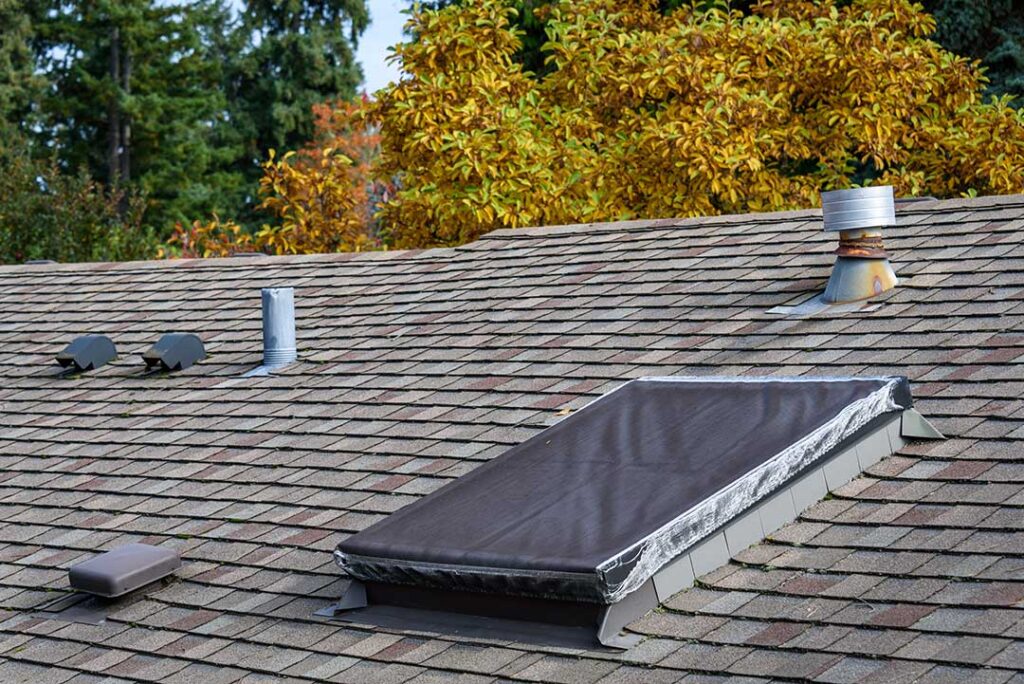
- The number of chimneys, vents, skylights, and other penetrations.
- The quality of previous repairs.
- Attic or roof-deck ventilation.
- Whether gutters and downspouts discharge water away from the foundation.
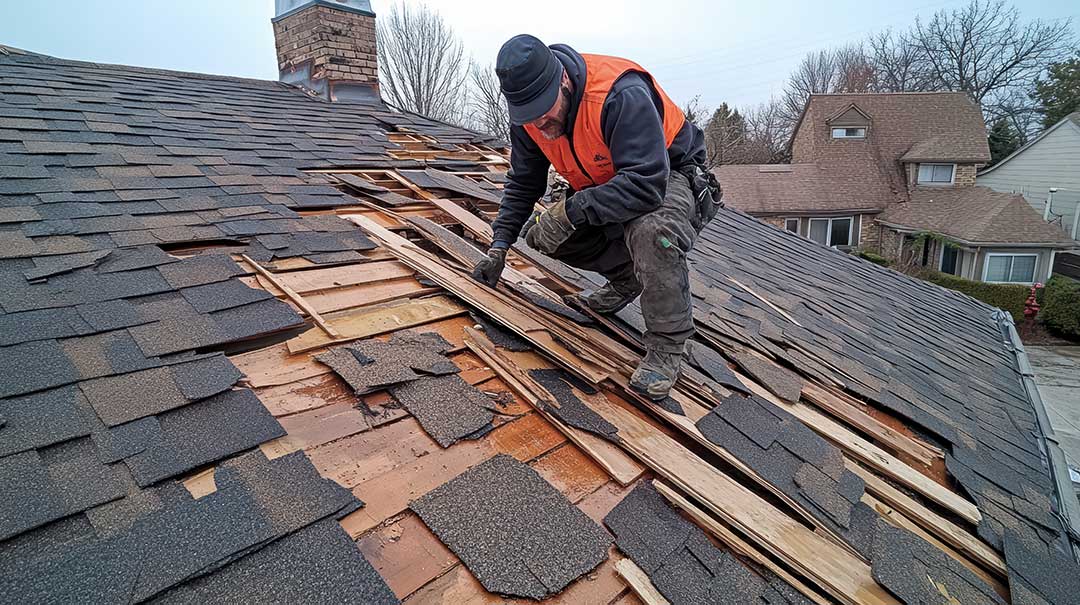
Walking on a roof can cause damage, particularly on membrane surfaces or older roofing materials. It can also create a fall hazard. Ground-level observation, attic checks where accessible, and safe inspection practices are preferable to casual roof access.
Is a flat roof cheaper than a sloped roof?
Initial cost cannot be determined by roof shape alone. A small, simple flat roof may use fewer materials and have a straightforward layout. A complex sloped roof with multiple valleys, dormers, and penetrations may cost more to build and maintain.
However, a flat roof may require specialized membranes, insulation systems, drains, edge details, and repair methods. Sloped roofs may use familiar materials but require more framing and surface area.
Long-term cost depends on service life, installation quality, drainage performance, accessibility, and how quickly small problems are discovered. The least expensive design at installation is not always the least expensive over several decades.
How should homeowners choose between the two?
Start with the building rather than personal preference. The existing structure, framing, drainage path, and surrounding property often limit practical choices.
A sloped roof may be more suitable when:
- The building has a traditional roofline and attic space.
- Snow and rain drainage are major concerns.
- There are mature trees that deposit leaves on the roof.
- The design benefits from natural attic ventilation.
- Gutters can be properly positioned and maintained.
A flat or low-slope roof may be more suitable when:
- The building’s architecture calls for a modern, compact profile.
- A roof section covers an addition, porch, or garage.
- Rooftop equipment or usable roof space is part of the design.
- Drainage can be engineered with reliable drains or scuppers.
- The structure can support the required insulation and snow loads.
Building requirements, structural conditions, and drainage rules should be verified before changing a roof shape. Converting a sloped roof to a flat roof, or adding a heavy roof assembly, can affect framing, ventilation, wall connections, and water management.
What matters most in East Grand Rapids?
Local conditions make drainage and winter detailing especially important. Freeze-thaw weather can expose weak flashing, cracked sealants, clogged drainage points, and areas where water repeatedly collects. Leaf buildup can also block gutters and roof drains during autumn.
For households in the community, roof performance is often tied to the entire water-management system. Gutters, downspouts, flashing, drainage outlets, attic ventilation, insulation, and foundation grading all influence whether precipitation stays outside the building.
The most dependable roof is not simply the one with the steepest pitch or the lowest initial cost. It is the design that matches the structure, sheds water reliably, handles seasonal loads, and can be inspected and maintained safely over time.