

 See My Latest Article on HelloNation
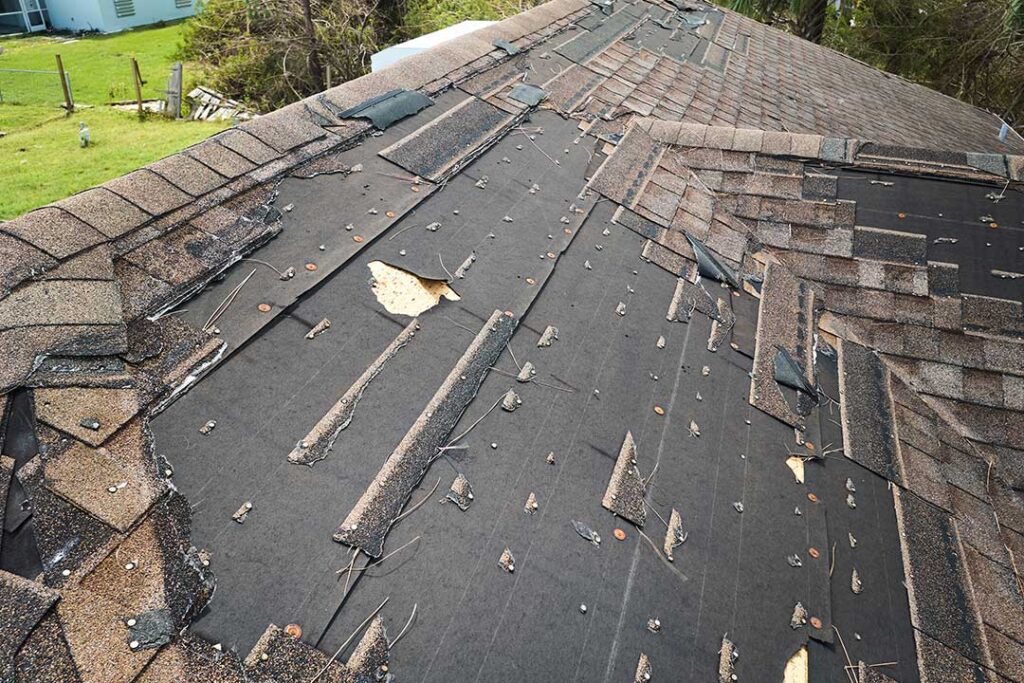
Roofing problems are often misunderstood because damage may remain hidden until it becomes serious. In East Grand Rapids, MI, seasonal snow, freeze-thaw cycles, wind, ice dams, humidity, and aging housing stock can all affect how a roof performs.
Many common roofing beliefs are partly true, outdated, or missing important context. Understanding the difference can help homeowners recognize risks earlier and make more informed maintenance decisions.
Does a roof need to leak before it needs attention?
No. A roof can have damaged materials, poor drainage, or deteriorated flashing long before water reaches the living space.
Visible leaks are often the final stage of a problem. Water may first travel beneath shingles, along roof decking, around chimneys, or through attic insulation. By the time a ceiling stain appears, wood components may already have absorbed moisture.
Warning signs that deserve attention include:
- Missing, cracked, curled, or lifted shingles
- Granules collecting in gutters or downspouts
- Rusted or separated flashing
- Damp insulation or musty attic odors
- Sagging areas on the roofline or ceiling
- Daylight visible through the roof deck
A dry interior does not automatically mean the roof is in good condition. Regular visual checks are especially useful after major wind, heavy snow, or rapid temperature changes.
Are all roof leaks caused by bad shingles?
No. Shingles are only one part of a roofing system, and many leaks begin at transitions or penetrations.
Common trouble spots include chimneys, plumbing vents, skylights, valleys, sidewalls, roof-to-wall intersections, and areas around flashing. Gutters and downspouts can also contribute if water backs up beneath the roof edge.
A leak may appear several feet away from its actual entry point because water follows the roof deck, rafters, or insulation before reaching the ceiling. This is why applying sealant to the first visible crack does not always solve the underlying problem.
The condition of the flashing, underlayment, ventilation, drainage, and roof deck matters as much as the surface covering.
Does a new roof eliminate the need for attic ventilation?
No. A new roof does not automatically correct poor attic airflow.
Balanced ventilation helps remove heat and moisture from the attic. Without adequate airflow, warm air and indoor humidity can contribute to condensation, damp insulation, mold growth, wood deterioration, and premature aging of roofing materials.
Ventilation should be considered as a system. Intake openings near the roof edge need to work with exhaust openings higher on the roof. Adding an exhaust vent without enough intake air may produce little benefit and can sometimes interfere with the intended airflow pattern.
In cold-weather climates, attic air sealing and insulation are also important. Warm indoor air escaping through ceiling penetrations can create condensation and uneven roof temperatures, even when visible vents are present.
Do ice dams mean the roof itself is defective?
Not necessarily. Ice dams usually result from a combination of snow cover, uneven roof temperatures, heat loss, and drainage conditions.
An ice dam forms when snow melts on a warmer section of the roof and refreezes near a colder eave. The resulting ice can prevent water from draining normally. That water may move beneath roofing materials or enter around vulnerable edges.
The roof covering may be contributing to the problem, but attic insulation, air leakage, ventilation, gutter configuration, and roof design are often involved too. In East Grand Rapids, repeated freeze-thaw conditions make this a recurring winter concern for some homes.
Removing snow from a roof with tools or climbing onto an icy surface can be dangerous and may damage shingles. Ice dams that are large, recurring, or associated with interior moisture usually require attention to the building’s heat-loss and drainage conditions, not just the visible ice.
Is a dark roof always hotter and less energy-efficient?
Not always. Roof color can influence surface temperature, but it is only one factor in indoor comfort and energy use.
Attic insulation, ventilation, roof orientation, roof pitch, shading, air sealing, and the condition of the ceiling assembly generally have a larger effect on how much heat reaches the living space. A well-insulated attic with appropriate ventilation may perform better than a poorly insulated attic beneath a lighter-colored roof.
In winter, heat loss from the home can also contribute to snow melting and ice-dam formation. This means roof performance is connected to the entire building envelope rather than color alone.
Can a homeowner install new shingles over the old ones without problems?
Sometimes roofing regulations and product instructions allow an additional layer, but overlaying shingles is not automatically suitable.
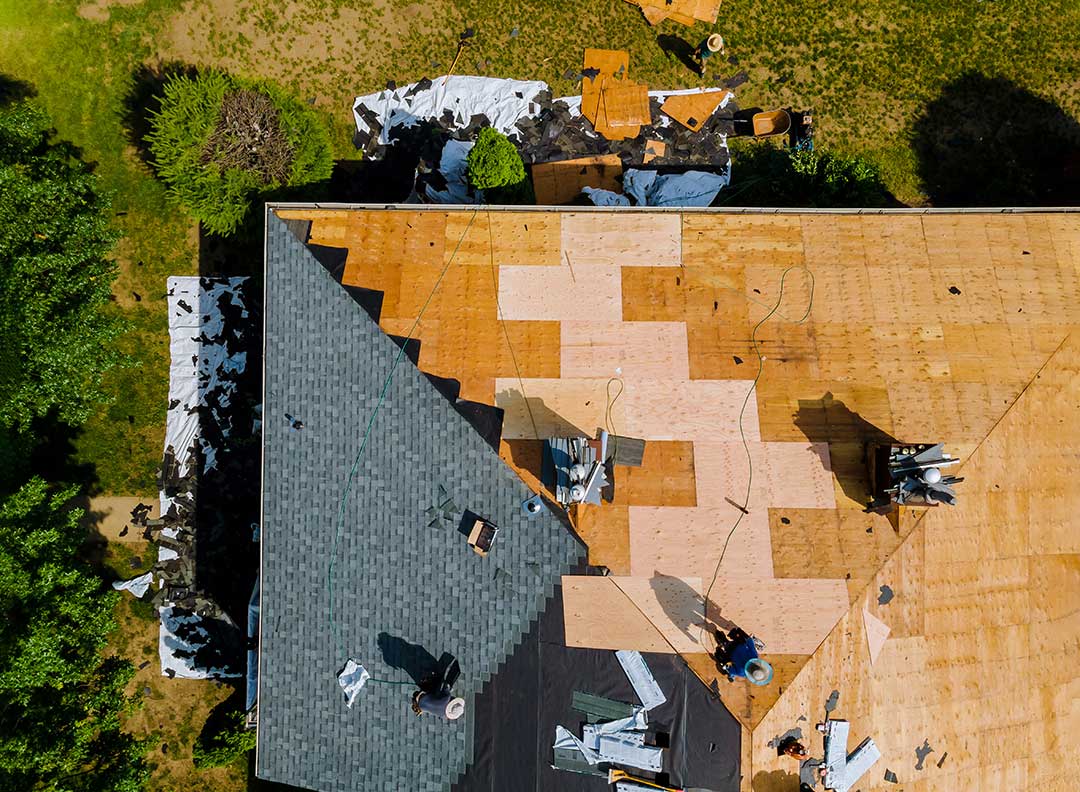
A roof-over may hide damaged decking, uneven surfaces, deteriorated flashing, and moisture problems. Extra layers also add weight and can make future inspection or replacement more difficult. If the existing roof is curled, badly worn, wet, or uneven, installing new shingles over it may reduce the quality and service life of the finished roof.
Roof slope, local code requirements, the number of existing layers, ventilation, and the condition of the roof deck all matter. A roof covering should not be judged by appearance alone.
Does a longer warranty mean a roof will last longer?
No. A warranty describes certain coverage terms; it does not guarantee a specific service life under every condition.
Roof longevity depends on material quality, installation, ventilation, slope, drainage, weather exposure, maintenance, and the condition of the underlying structure. Warranties may also include exclusions, maintenance requirements, or different coverage periods for materials and workmanship.
A useful question is not simply “How long is the warranty?” but “What conditions must be met, what is excluded, and what part of the roofing system is covered?”
Are gutters unrelated to roofing problems?
No. Gutters are part of the roof drainage system.
Blocked, loose, undersized, or poorly sloped gutters can cause water to overflow against fascia boards, siding, foundations, and roof edges. In winter, trapped water can freeze and add stress to gutters and adjacent roofing components.
Downspouts should discharge water far enough away from the foundation to prevent repeated saturation. Roof valleys and areas where multiple slopes meet also need clear drainage paths, particularly during heavy rain and melting snow.
Cleaning gutters does not repair a roof, but it can help prevent drainage-related damage from being mistaken for a roofing-material failure.
Can roof damage be safely inspected from the ground?
A ground-level inspection is useful but limited. Binoculars can help identify missing shingles, sagging, exposed underlayment, damaged flashing, or debris.
However, some defects are visible only from the roof surface or attic. Walking on a roof can be hazardous because of steep slopes, wet materials, hidden weak spots, frost, and loose granules. Chimney areas, skylights, valleys, and roof edges are particularly easy to misjudge from the ground.
For residents who notice structural sagging, active interior leaking, exposed electrical components, or extensive storm damage, avoiding the affected area may be safer than attempting a close inspection.
What is the most useful roofing habit for homeowners?
The most useful habit is connecting routine observation with seasonal timing. Check the attic and ceilings after major storms, inspect the roofline from the ground in spring and fall, keep drainage paths clear, and document changes with photographs.
A roof does not fail only when shingles disappear. Small signs—staining, granules, loose flashing, damp insulation, or recurring ice buildup—can reveal problems before they become major interior damage. Understanding the whole roofing system makes it easier to separate normal aging from conditions that need prompt attention.